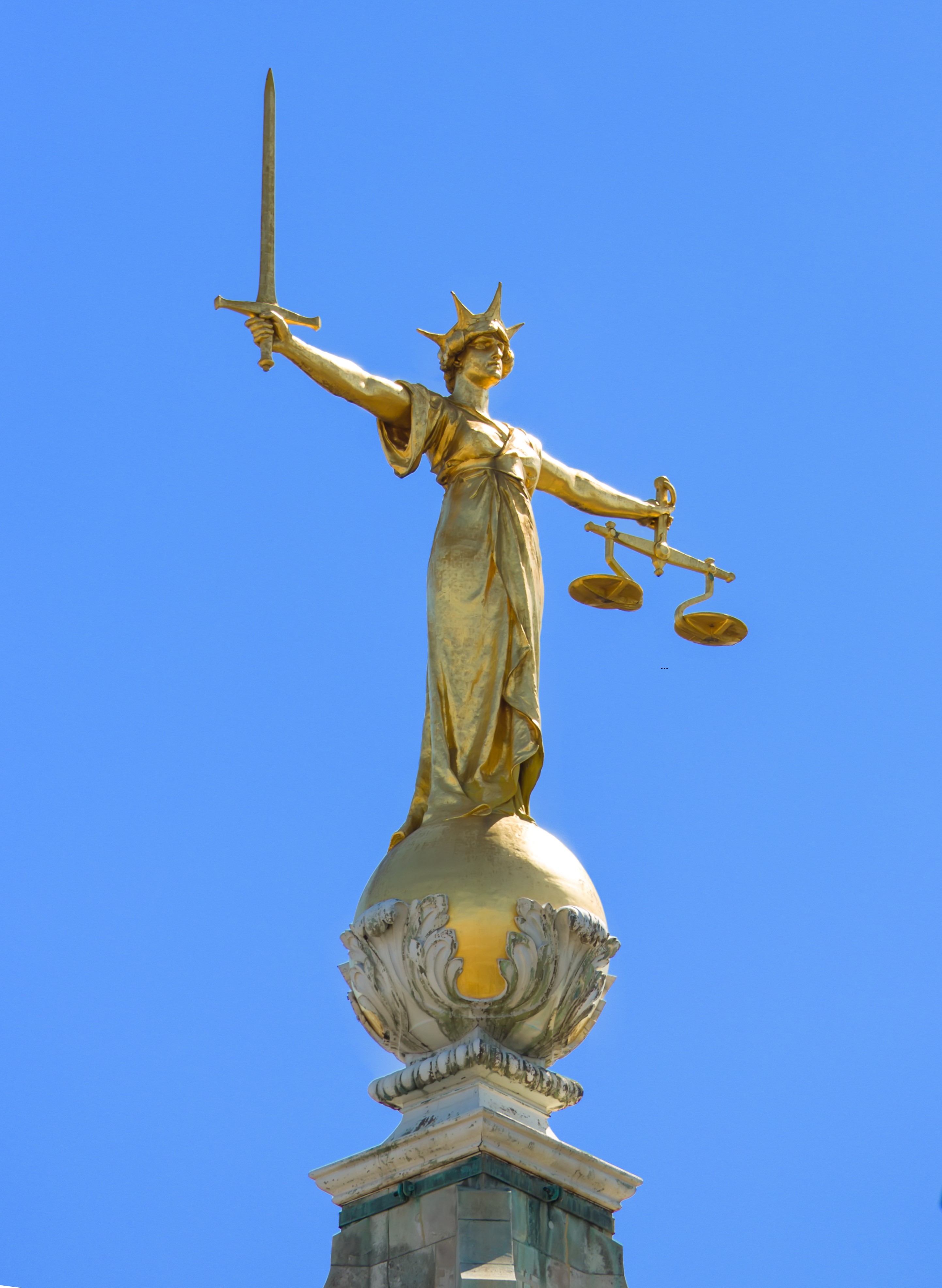
 “Quick. Quick. We’ll be late” Laura cried breathlessly as she tried to hold on to her hat as she and Jeanie, her best friend, ran across London Bridge to catch the omnibus from the north side stop, to travel west along Cheapside to the Bailey. They didn’t want to be late for the first day of the trial of their friend and colleague, Katy McNiel.
It was a fine summer’s day in the late 1800s and Katy was to be tried for the manslaughter of one of her patients at London’s famous Queen’s Hospital.
Cheapside was one of the main west-east roads across the north bank of the Thames in London. The road was a crush everywhere with horse drawn taxis, private carriages and omnibuses jostling for space on the all too inadequate road. 
Pedestrians were often pushed to the sides of the filthy streets by the traffic where they tried to avoid the ubiquitous horse dung that was left from the moment it had dropped on the road until it was collected by the night sweepers. In the heat of the day, the stench was overpowering in this part of east London. 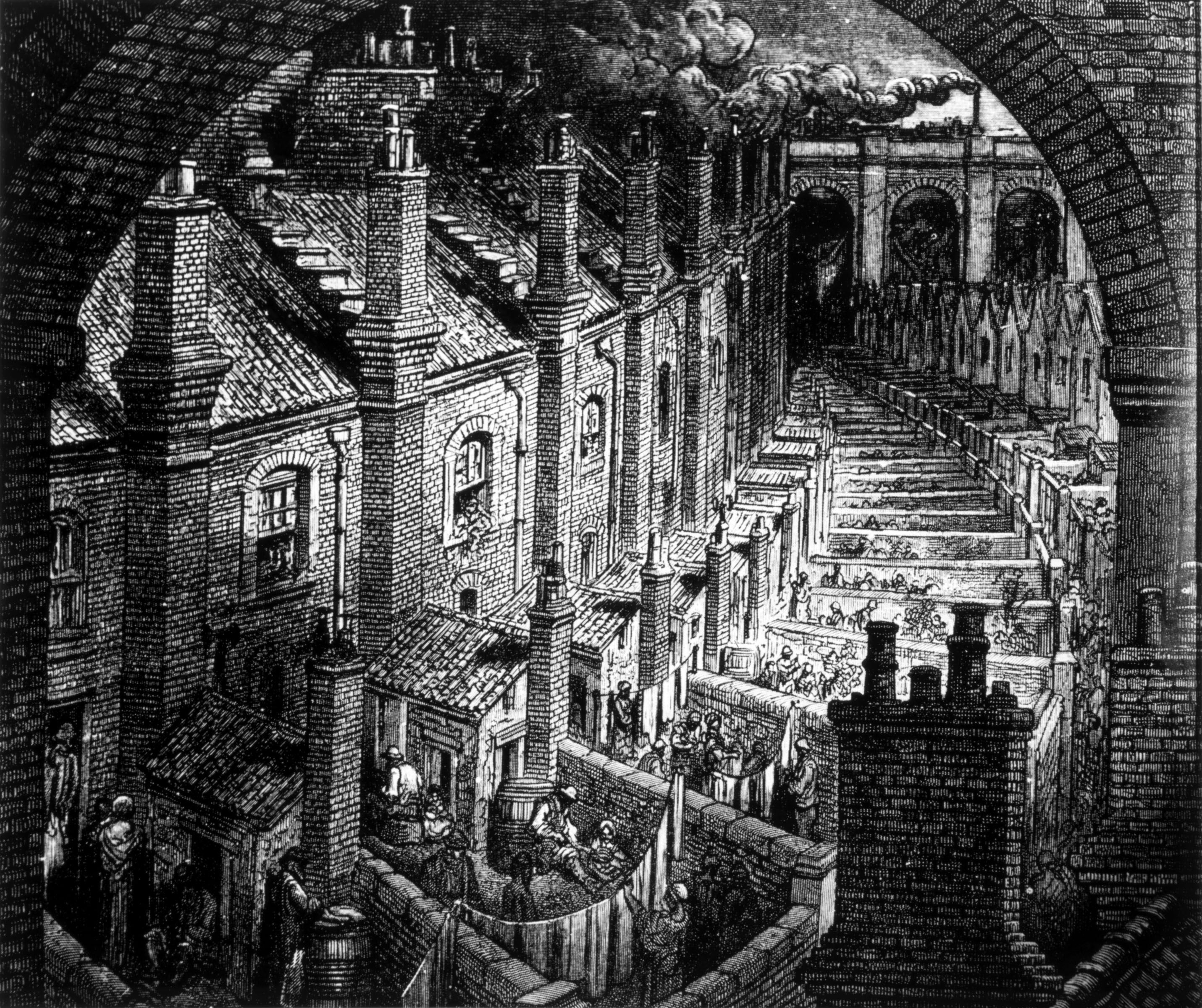
And the dust and filth, and the over crowding – life in the city was all very unpleasant.
Jeanie Maxwell had come to London from Glasgow to train as a Lady nurse. At that time, ladies, being daughters of gentlemen, were increasingly being educated, and they were permitted to engage in social gatherings as they waited for a suitable marriage proposal. Despite their education, such women could only work in a few approved occupations such as being a teacher or governess. For many, it was a life of unfulfilled dreams and utter boredom. Jeanie, the daughter of a Presbyterian clergyman who believed in the enlightening powers of education for her, was having none of it.
She had read about the fine caring work of Elizabeth Fry and Florence Nightingale and she wanted to be part of this Protestant social movement. With her father’s permission, Jeanie enrolled as one of the new Lady Probationer nurses at Queen’s. Her friend Laura, with her family’s blessing, joined Jeanie as they made their long train journey to north London and caught the omnibus to south east London.
At Queen’s, Lady Probationers, as the nurse trainees were known to distinguish them from the ward assistants who were drawn from the poor, uneducated lower classes, were expected to live in the nurses’ “home” on site. They had their shared sleeping quarters, a parlour, or “sitting room” as it was known, a fine dining room for their meals, and their chapel. Queen’s, like the rest of the grand London hospitals, was deeply religious and the staff lived by the Anglican Church’s rule.
Historically, nursing was not a profession for ladies but Elizabeth Fry and Florence Nightingale changed all that so nursing became an acceptable employment for the educated daughters of gentlemen. Indeed, many were high born.
On their arrival at Queen’s, Jeanie and Laura were greeted by the matron, Miss Boag, and assigned to their new quarters in the hospital’s back quad where they met the other Lady Probationers. Miss Boag took them to Lazarus Ward where the lepers were cared for under Sister Lazarus. The sisters were known by their ward’s name, they had no identity of their own. The hospital’s seamstresses had made up the uniforms of heavy blue cotton, known as “stuff”, and had given each Lady her allocation of stiff white collars and cuffs, and the all important lace bonnet known as the ‘frilly’.
Jeanie and Laura quickly learnt how to care for these important accoutrements of office, and how to curtsey to the doctors, sisters and matron when they arrived on the wards. Showing respect and politeness were the orders of the day.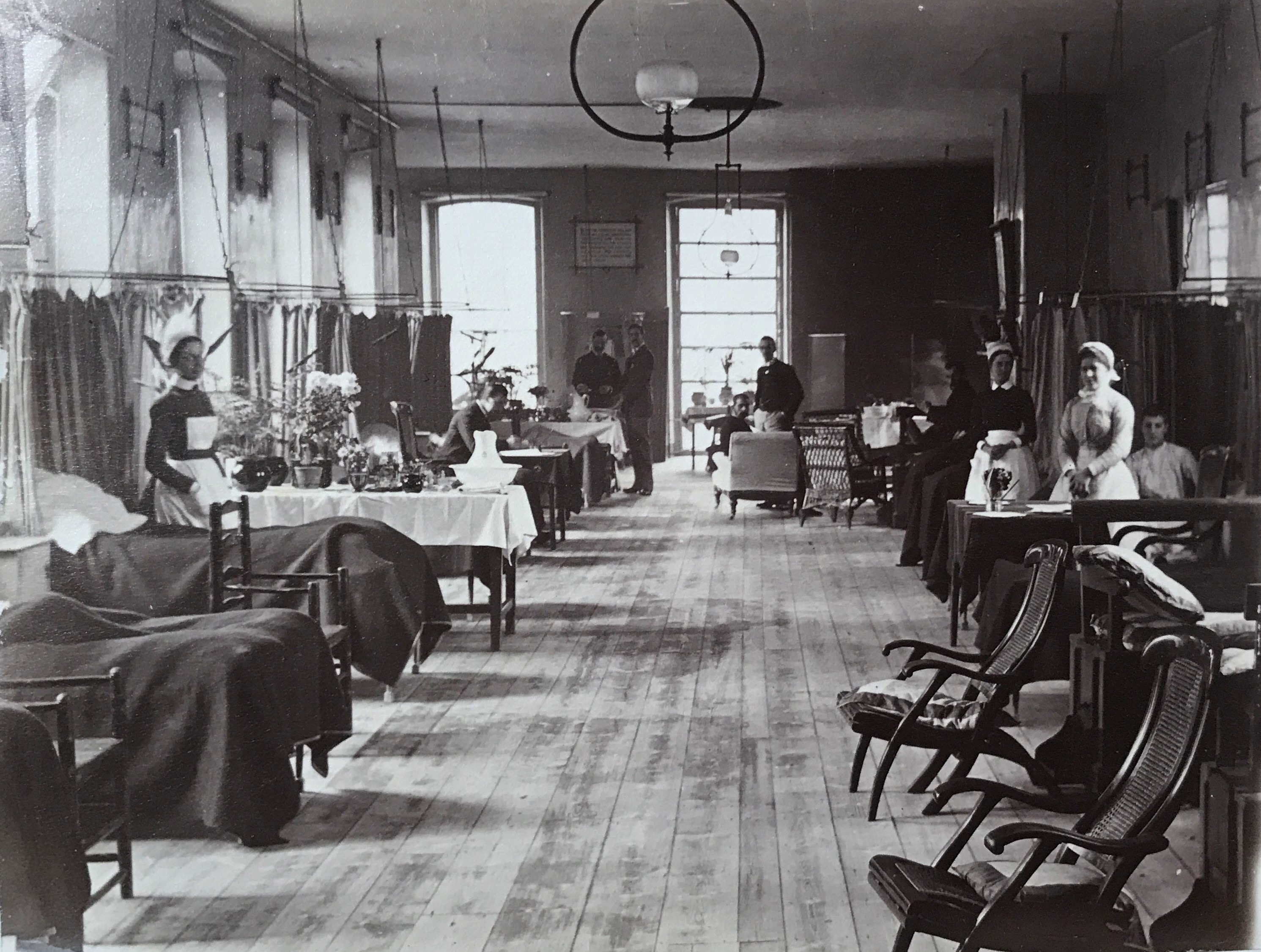
This austere late 19th Century hospital forms the setting for a patient’s death which led to a sensational manslaughter trial of a nurse at the Old Bailey, London’s Central Criminal Court. But there was more to this trial than a mere death.
There were undercurrents of religious, gender and class tensions; many rivalries and much factionalism; and vicious disputes about who had authority over whom with nurses, doctors and administrators arguing about who was in charge at Queen’s.
 Old Lady by the Sea