Life in the Late 19th Century

19th Century London was grey and drab, and very grim for all but the lucky, and the wealthy. Open sewers and poor drainage, filthy streets and houses, dung piles, and lack of ventilation and fresh air, formed London’s insanitary living conditions.
The resulting stench was added to by the ubiquitous pong of rotting bodies as disposal of the dead became more difficult, especially with the capital’s burgeoning population.
Cleanliness was a problem. Indeed, for “the great unwashed” bodily dirt was a point of pride as it showed you were an honest worker. Disease was the result. Cholera, typhus, smallpox, tuberculosis and leprosy all took their toll. Fog and smoke exacerbated people’s pitiful living conditions. Life was very hard for most.By the 1880s, London was one of the biggest cities in the world. It was the centre of the British Empire and it led many of the world’s big industrial modernisation projects especially in the railways and public transport, ship-building and the modernisation of factory work. It was one of the world’s centres of communication which was based upon the national postal service, the telegraph service, and a rapidly expanding newspaper and journal printing industry.
Ideas from all walks of life were spread rapidly. London was alive with chatter and argument about the worth of “modern” ideas expressed variously in letters to The Times, and other leading newspapers and journals, and in meetings in both learned societies and open public fora.
Gracious living, eating out and new forms of entertainment developed to support this growing appetite for collective discussion and debate.
London’s “grand” hotels business had started to develop at this time with a few, such as the Grosvenor and Langham, hosting many meetings both serious and convivial. The poor, in contrast, had their pubs and ale houses.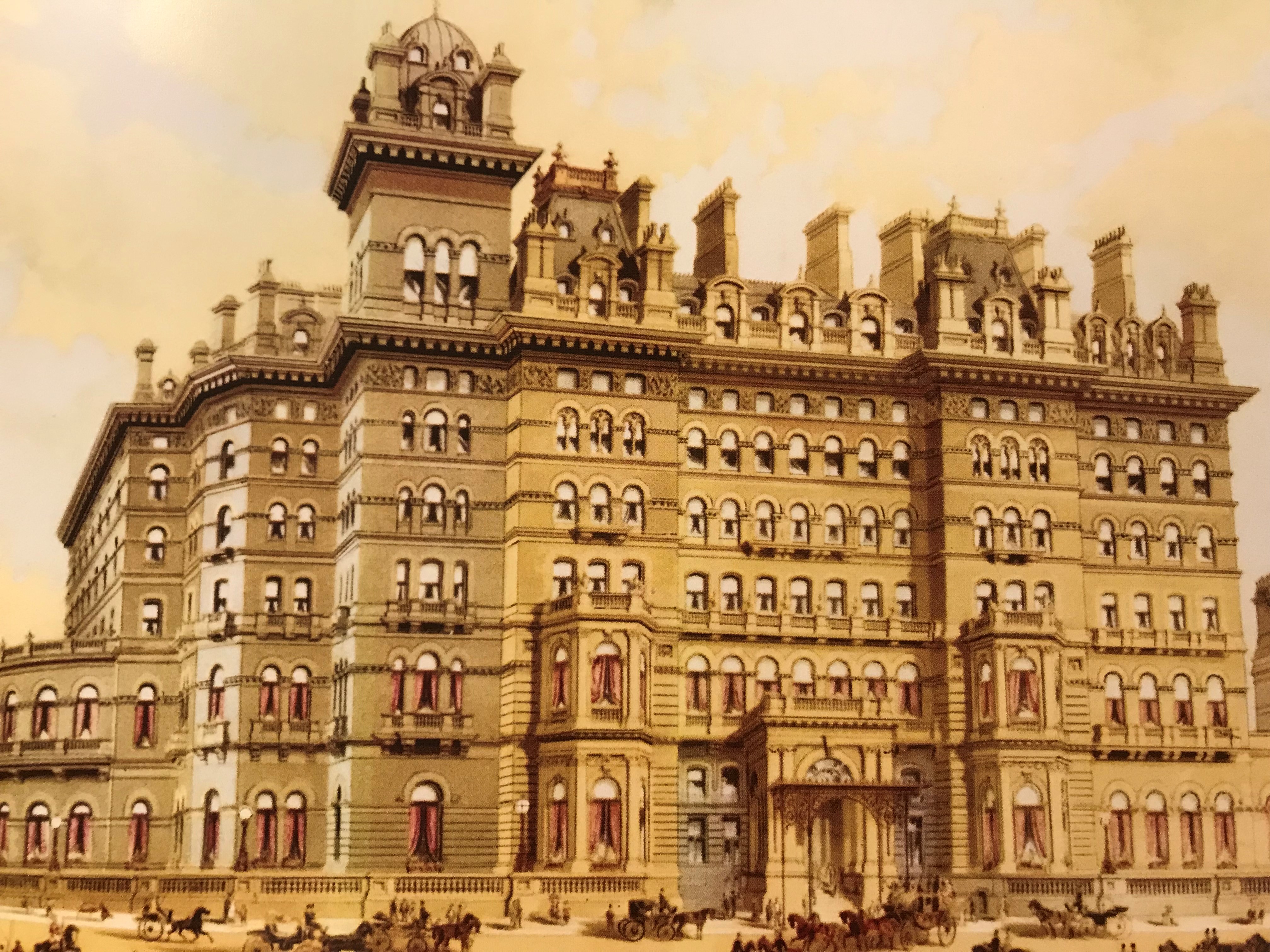
Rich and learned gentlemen had their clubs in Pall Mall with their common rooms and private dining facilities. And for the ladies? They had their homes and their church, and visits to other ladies’ homes when they were “at home”.
This was the stratified London that Jeanie and Laura, as Lady Probationer Nurses at Queen’s Hospital, lived in. They had their rather monastic quarters next to the wards where selected poor people were looked after under the watchful eye of the administrator’s “taking-in” committee, and Queen’s many wealthy benefactors.
Life as a Lady Probationer Nurse was hard work. They had to help clean the wards to control the spread of infections as mandated by Florence Nightingale’s instructions developed in the mid-1800s, following her seminal time in the Crimea’s Scutari army hospital.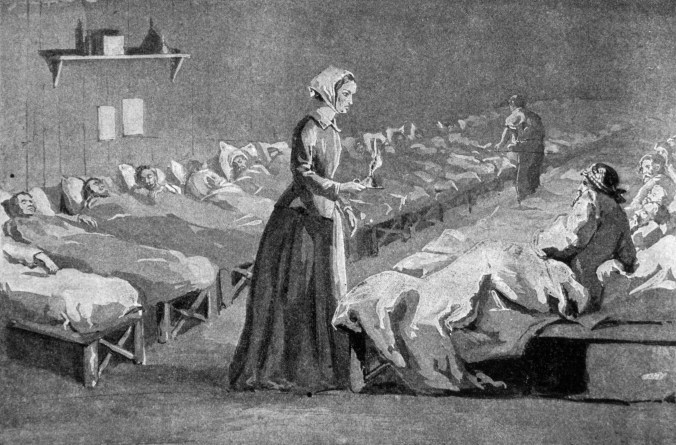
Then, as now in the late 1800s, our Lady Nurses had to greet and do the bidding of the senior medical staff when they attended for their patient visits, called rounds, usually in the morning with their “juniors” – doctors in training. Such arrangements were known as training “firms”. They acted as “social elevators”, helping bright young men from modest, or even “trade” backgrounds, to rise up the social ladder, especially if they became “celebrity” doctors for the wealthy.
Our Lady Nurses, many of them high-born, had to wash and care for the patients who were often illiterate, smelly and uncouth. They too were in training, and as the London teaching hospitals had introduced an examination system, our Lady Nurses had to spend time reading medical books and preparing for tests in their spare time. Going to church was their relief from drudgery. Queen’s had its own chapel in the front quad, so they did not have to go far. Life for Jeanie and Laura was very much contained within Queen’s.
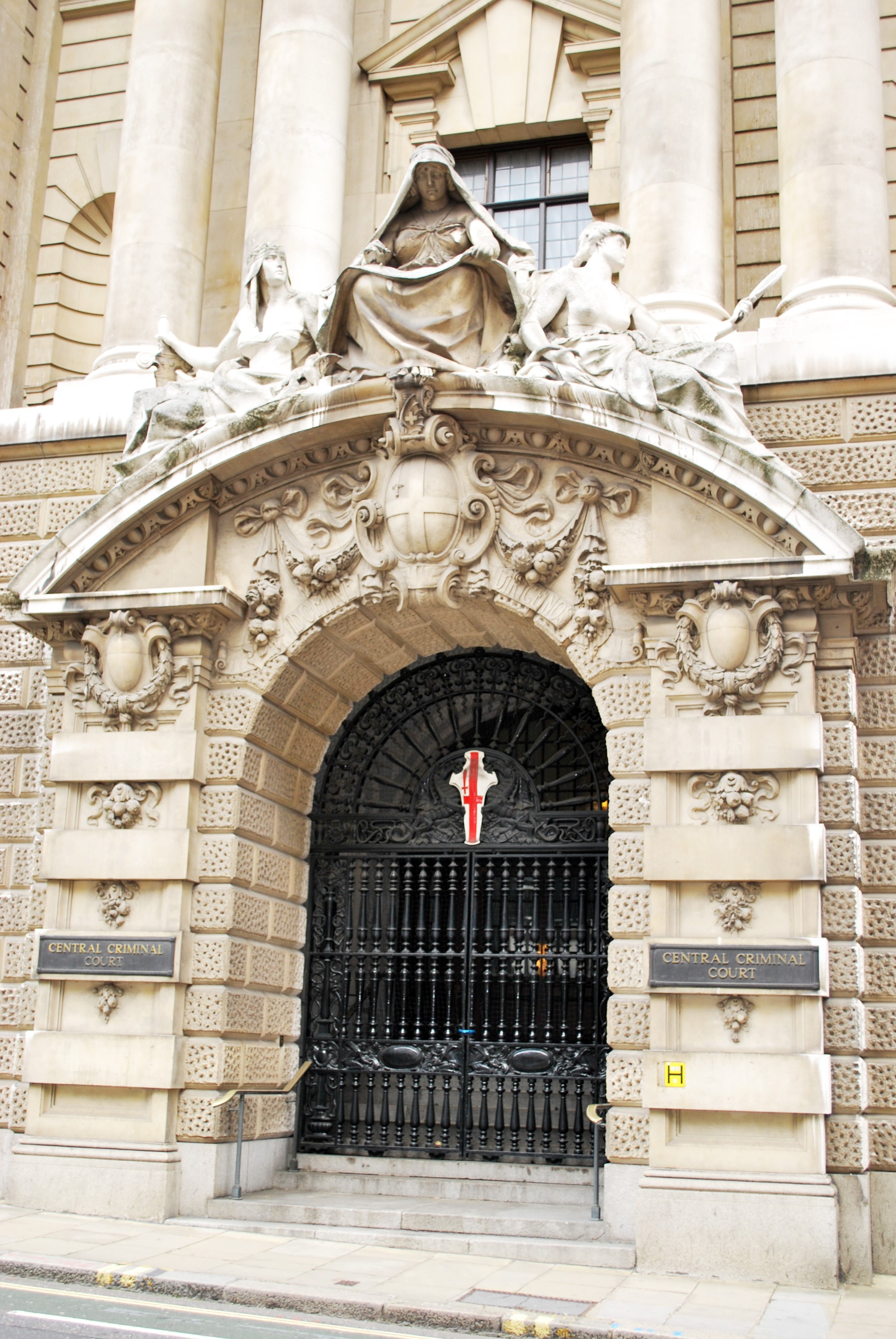
The trial of their friend and colleague, Katy McNeil, was deemed important enough for them to be given permission by the matron to leave the confines of the hospital to attend the hearing at the Old Bailey.
Cheapside was so crowded, they decided to walk, even trot now and then, rather than take the omnibus. Arriving at Newgate Prison and the Bailey was breath-taking. The building was very grand and intimidating.
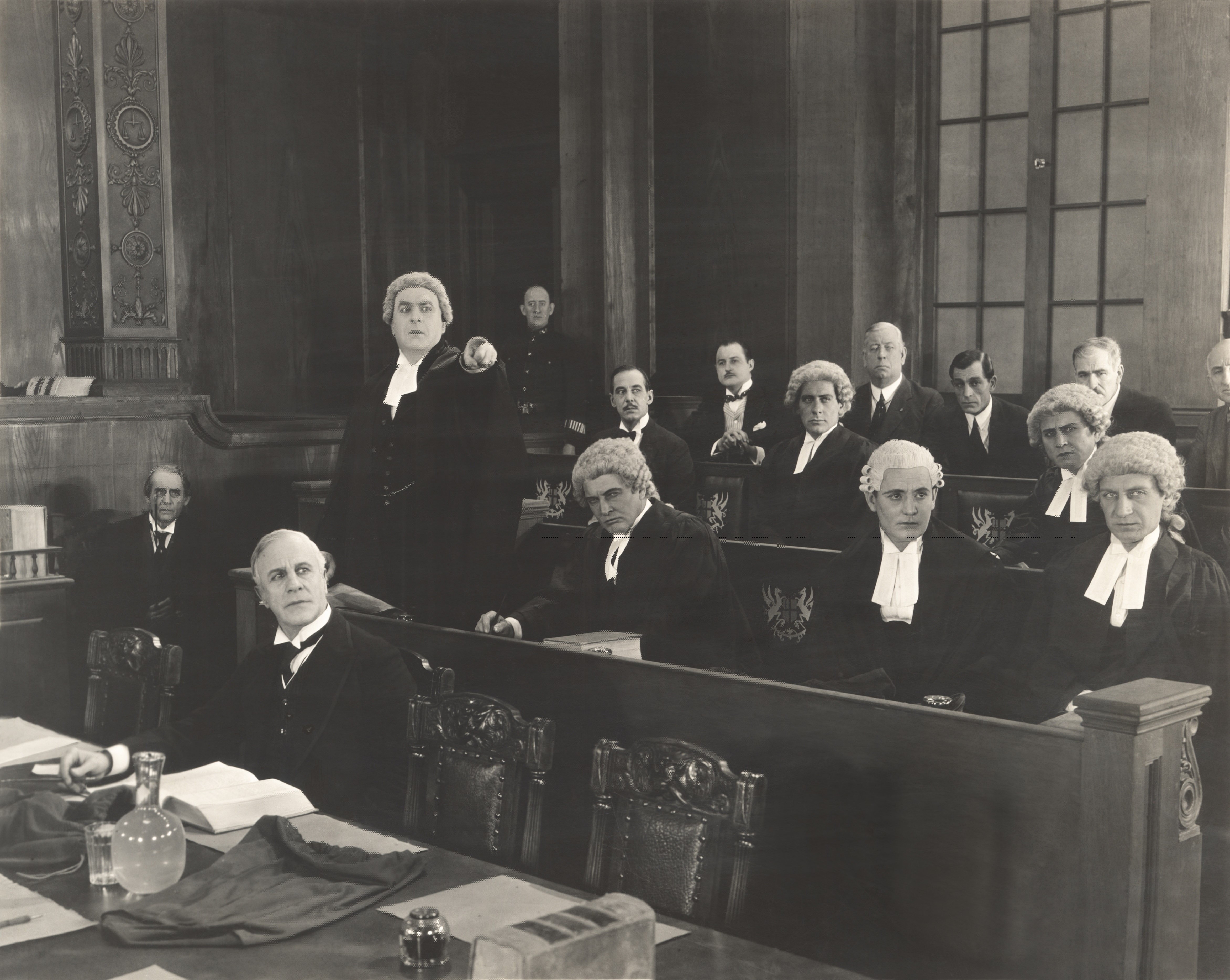
This was the place for justice, and the barristers, dressed in their distinctive black formal lawyer’s robe and white stock, added to the majesty and sense of authority of the place. If it was intimidating for Jeanie and Laura, it was certainly a cause for terror in the defendant.
What had Katy done to deserve this?
 Old Lady by the Sea