From Quacks to Professional Men
From ancient times, quackery, prayers, and traditional poultices and herbalism, were the medics’ tools of trade alongside crude surgery and bleeding.
Then came the Enlightenment when anatomy, science and an understanding of how the body works changed everything. By the early 1800s, a substantial body of knowledge had started to develop which required medical practitioners to train and learn in organised schools with experienced teachers.
The Teaching Hospital and the concept of Lecturers were born. And so it was at Queen’s.
It had distinguished the function of caring and treating from teaching and training by recognising and building a separate, but on-site, Medical School with its own Dean. It was not a separate entity in law – its finances and administration were very much part of Queen’s, and its benefactors. The administrator, known as the Treasurer, was all important but the medics started to get organised.
At the same time, the law changed. The state recognised the desirability of having an authorised body to ensure that medical practitioners were suitably qualified, and had passed their exams, thus the Royal College of Physicians (instigated under King Henry VIII) was boosted and became that body.
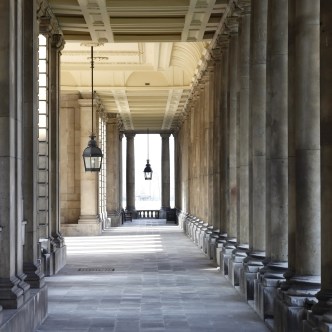 By the late 1800s, the Royal College of Physicians had a magnificent Greek-columned building on the west side of Trafalgar Square, and the office of its President overlooked this busy London traffic hot spot. Indeed, a constant row of taxi hansons with their horses at rest waited patiently below the President’s window for a fare.
Queen’s Prestige Grows
Medicine at Queen’s became prestigious, and its senior doctors were leading lights in the Royal College. Great doctors such as Dr. Addison and Dr. Bright, who gave their names to the diseases they discovered, were members.
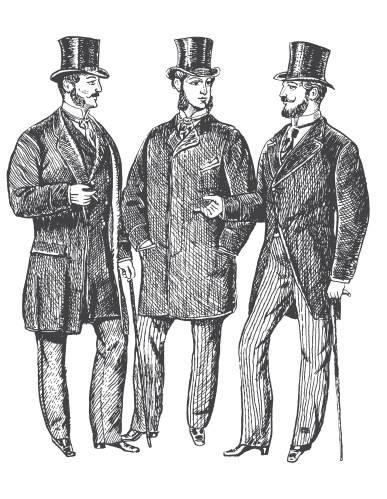 The profession became more prestigious and influential as the state increasingly honoured the College’s members. The profession became a desirous career for learned men and teaching hospitals such as Queen’s admitted those by recommendation of its staff. This “social elevator” was very effective.
It also worked well for army doctors where prospective trainees from modest backgrounds could also train and rise through the ranks to become a prestigious professional.
Thus, by the late 1800s, the Royal College of Physicians, and separately, the Royal College of Surgeons, became the established and well-respected bodies which represented doctors and surgeons. And, increasingly, some of their senior members were from modest and even “trade” backgrounds.
At Queen’s, the Treasurer was in constant communication with the President of the Royal College of Physicians to keep this man’s influence with Queen’s senior medical staff, including the Dean, in check.
There was a growing crisis of authority across London’s hospitals– who was in charge of them and the medical schools? The senior medics began to flex their collective muscle, including at Queen’s when the Treasurer proposed the modernisation of nursing.
The Power Challenge Begins
Horror. The Treasurer, an administrator, wanted to introduce so-called “modern” nursing practices which he had seen work well in other prestigious London hospitals, and even up country in some of the midlands and northern industrial towns.
Horror. The mere thought of members of the Royal College of Physicians, and Surgeons, taking “orders” from a lady nurse was too much. Letters of protest were organised; crisis meetings were arranged; and interventions from the Colleges, and through them, Members of Parliament were sought. The Treasurer was having none of it – he pressed on.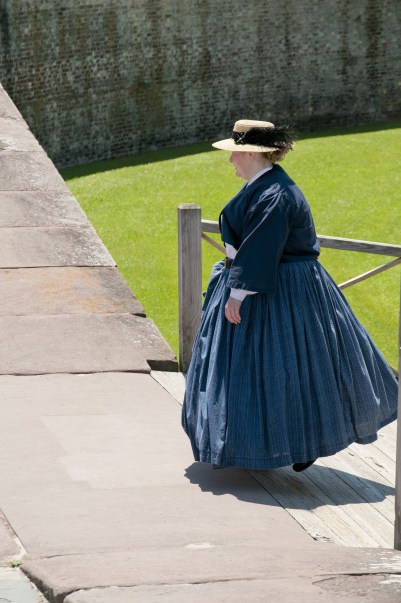
Horror. He appointed a matron from up country to come to London and modernise nursing at Queen’s. It was too much. Letters were sent to The Times. The authority of the Treasurer was openly challenged. Insurrection was building.
Meanwhile, London’s poor were admitted daily to Queen’s under the watchful eye of the Treasurer who chaired the “taking-in” committee. London’s filth, poverty, overcrowding, and rapid industrialisation and mechanisation, caused much work for the hospital and its waiting lists started to grow and become a political issue for its benefactors.
Into this boiling stew of discontent, the new matron arrived. Being a blunt woman from Leicester, she asserted her authority immediately.
The stage was set for a bust-up of gigantic proportions.
 Old Lady by the Sea