Lawyers, the Model Profession
Lawyers in 19th Century London were members of one of the four prestigious Inns of Court: Gray’s Inn, Lincoln’s Inn, Middle and Inner Temple Inns. The Inns were places of education, training and development, and residence, for lawyers, which could trace their history back to mediaeval times. They flourished as places of learning, enjoyed much royal patronage, and provided many scholarly lawyers to serve in the great Offices of State, especially under the Tudor Kings and Queens.
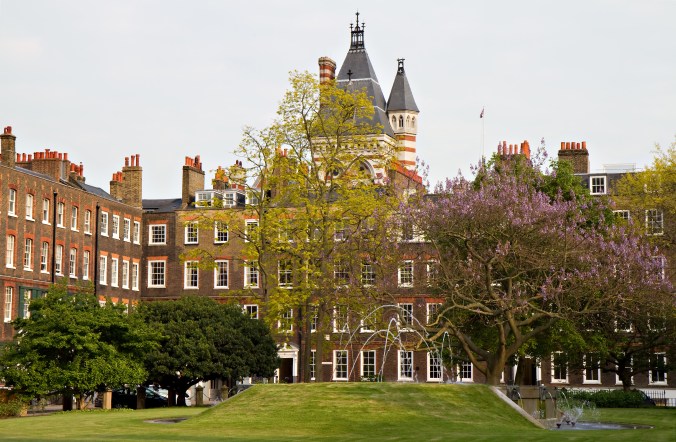
Lincoln’s Inn Court, London
The College of Physicians, formed under King Henry VIII, not surprisingly, modelled itself on these colleges of lawyers, and adopted their training methods: “see & do” under the supervision of a qualified lawyer with whom you worked and dined in “family” groups known as chambers. For the medics, these training and dining groups were known as “firms”.
By the late 19th Century, the Inns and their members, called barristers, were well-established, and the lawyers were recognised as professional men.
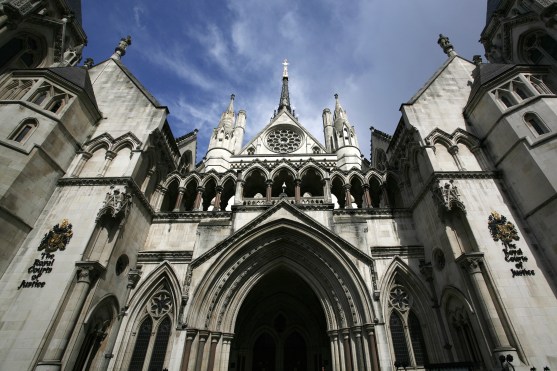
Royal Courts of Justice, The Strand, London
The Inns were located to the west of the City of London clustered around the Royal Courts of Justice in the Strand, and in close walking distance to Newgate Prison and the Old Bailey Courthouse where our trial took place.
Staff at the Inns
There were three grades of staff in the Inns: students, or pupils, who did much of the grunt research work; the barristers who worked in courts and worked out the legal arguments and strategies; and the senior barristers who were called “benchers”, being Masters of the Bench, and who were recognised as Queen’s Counsel (QC). These top lawyers often entered politics and other high-profile public careers.
In our trial of the nurse who was accused of manslaughter, the case was heard at the Old Bailey and she was represented by one of the Inns’ top QCs. For the state, another of the Inns’ top QCs led for the prosecution.
Clearly, this was no ordinary trial. Indeed, one might refer to it in the modern way as a “test case”.
Opening Day
On the opening day of the trial, a hot sultry August day, the barristers and their assistants would have been seen walking with their bundles of papers eastwards from their Inns to the Old Bailey. They might have wanted to take a hackney carriage (taxi) to the court but the roads – the Strand, Ludgate Hill, Newgate Street – would have been choked with traffic, pedestrians, and horses at rest, so progress would have been slow. They walked briskly through the humid, pong-filled crowded streets to get to court number 3 at the Bailey on time.
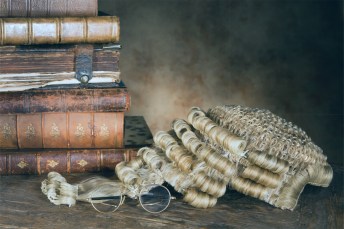 On arrival, they would have dressed-up in the robing room in their black gowns, put on their white stocks and wigs, and entered the courtroom to take their places on the lawyers’ benches. There would have been loads of them crowded onto the benches in the hot airless room with the stench of the streets pervading the atmosphere as the courtroom’s gallery filled with onlookers, reporters, and staff and friends from the hospital. A special section would have been reserved for the hospital’s senior doctors who were to be called as witnesses.
Oppressive and Intimidating
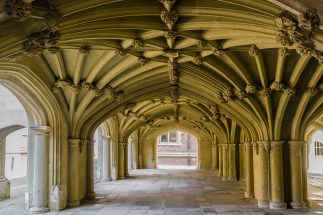 The accused would have been held in the police cells below the court. She would have been brought up to the dock – the place where the accused stands – to face the raised Judge’s bench. The jury of common men would have been seated in two rows to her right, and the lawyers would have been seated in rows to her left, with the court administrators seated at a table in front of her. The high and ornate curved barrel-like ceiling and dark wood furnishings would have created an oppressive and intimidating atmosphere.
The accused’s friends, Laura and Jeanie, who we met in the introduction to this series, would have been given leave to attend by the hospital’s Matron. They would have walked to the Bailey as travelling up from the South Bank and westwards along Cheapside in the City would have been too slow for the crowds.
So there we have it. The day of the trial with everyone having arrived rather hot and bothered, the smell of the streets in their nostrils and on their clothes, to witness the trial of the nurse accused of the manslaughter of a frail old lady. Her husband, a local working man, was the first witness to be called.
One of the country’s top QCs opened for the prosecution.
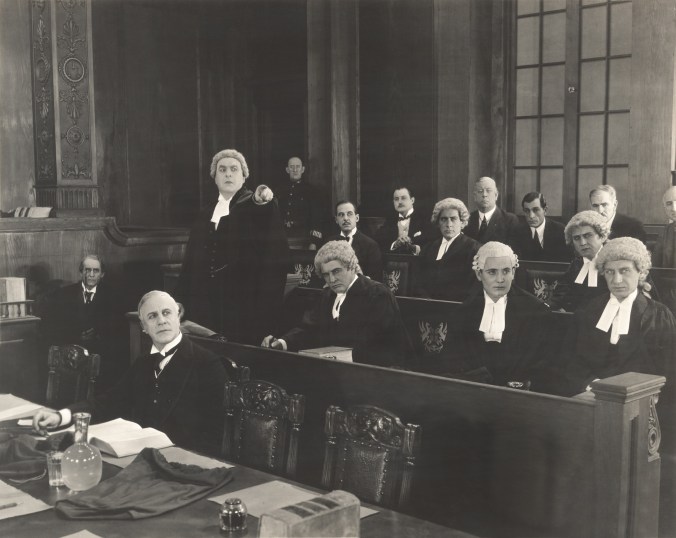 The team of barristers and the public would have looked on in awe at this famous man’s opening statement. The senior medical staff, one the Queen’s surgeon, would have listened carefully as they awaited their turn in the witness box knowing that their diagnoses and practices would be examined forensically by the lawyers.
Were they really the professional men that they purported to be? Let’s see.
 Old Lady by the Sea