Postcard from a Seaside Garden in November

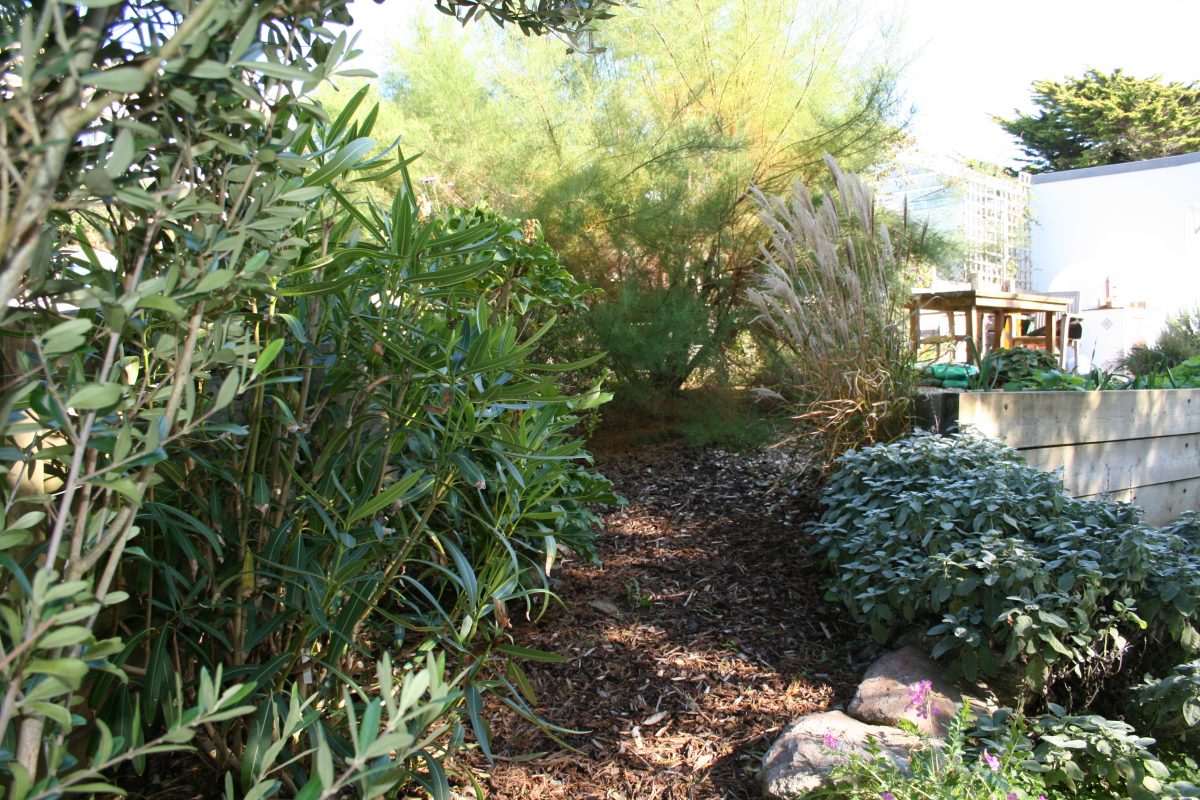
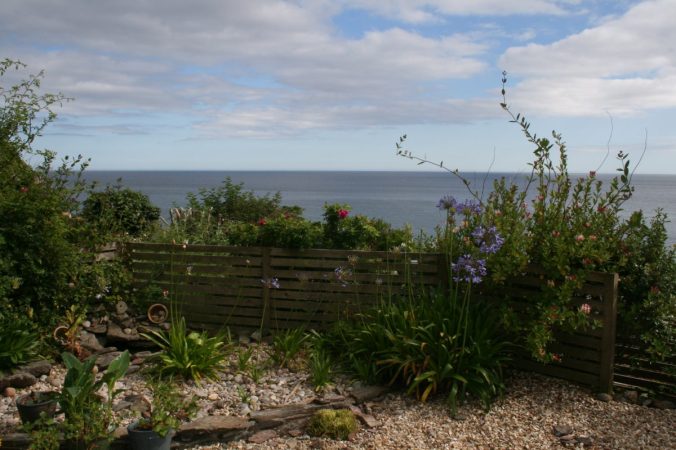
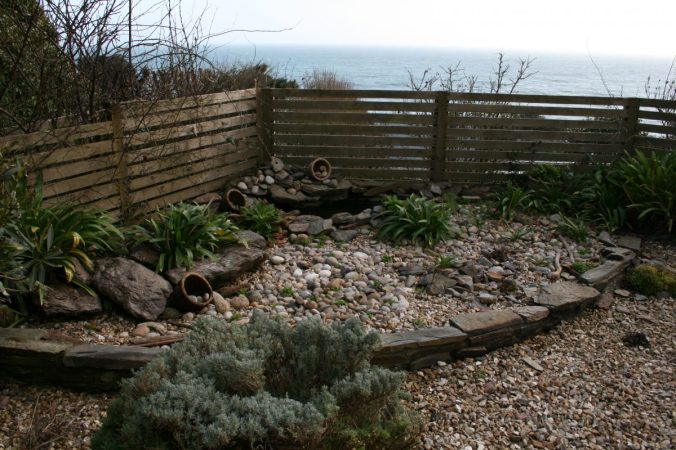
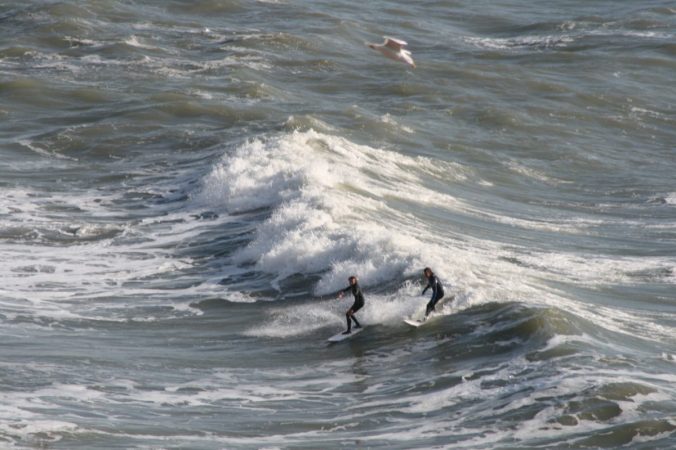
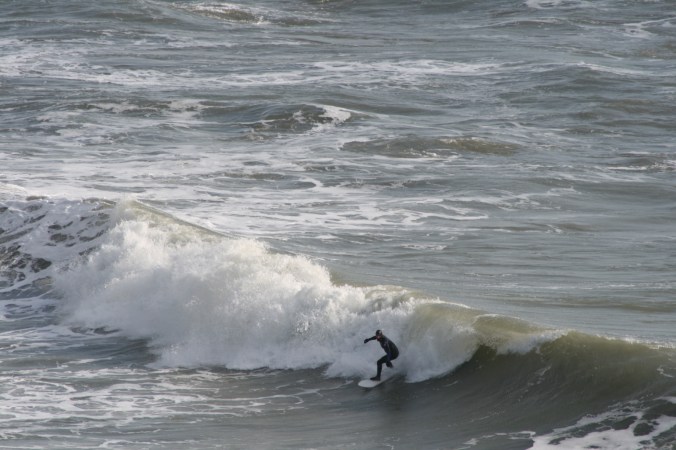
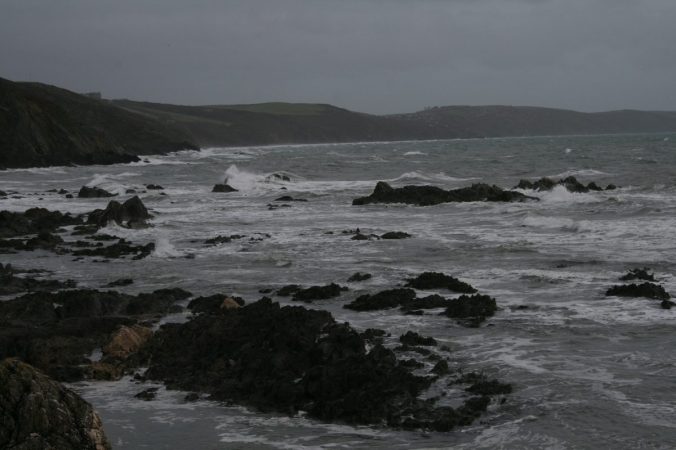
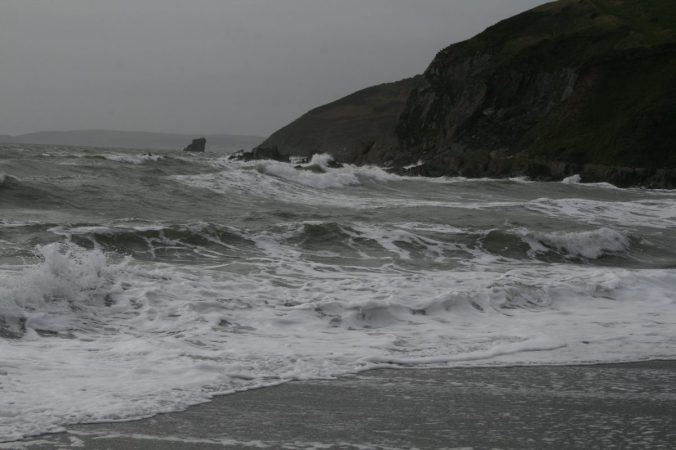
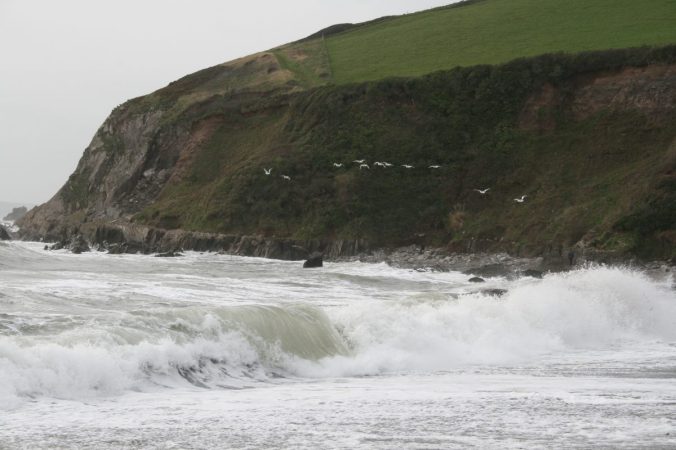
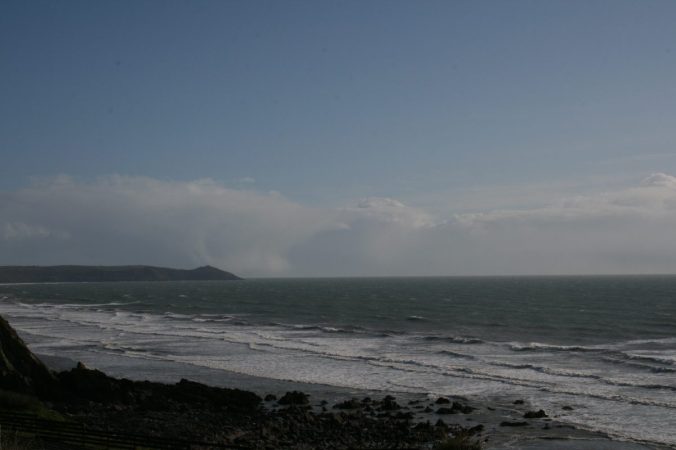
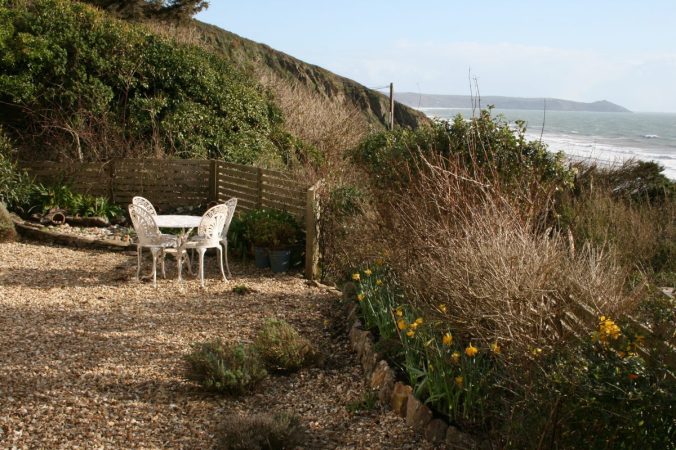
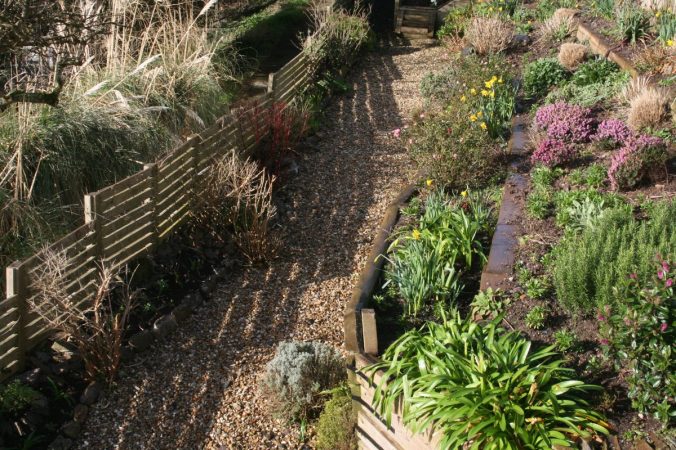
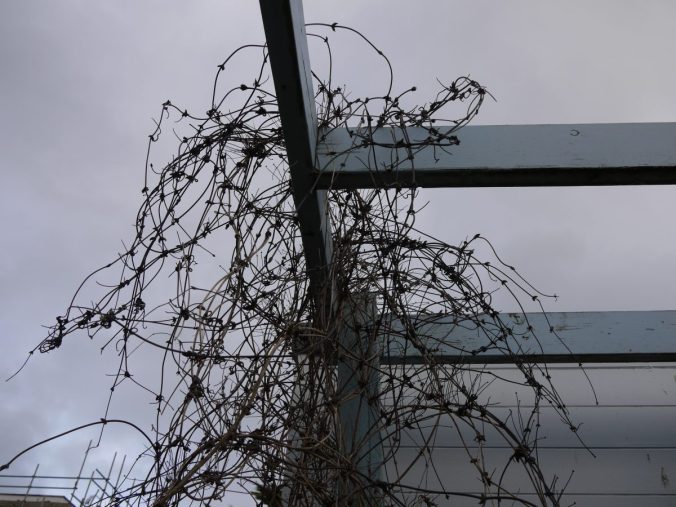
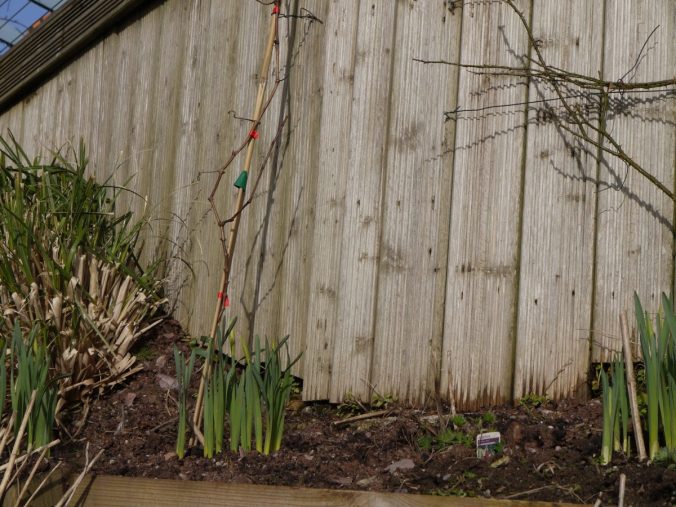
It has been all change since last month. The Atlantic storms have been barrelling in bringing high winds and lots of rain on most days. The sky and sea have been a constant gloomy grey and the light has been very low, even at midday. The soundscape has changed too as the ships and fishing boats, shrouded in sea fog on some days, blast their warning horns or ring their bells to alert all to their presence. From the garden, you can watch the sea fogs known as the haar come rolling in and then you find you are surrounded by it. As fast as it arrives, it is gone as it rolls up and over the cliff and then all is clear again.  

And the resurgent virus has taken its toll. We are locked down again so we have been unable to travel to the seaside garden. I do miss it, fog and all. And there has been much sadness with a death in the family. My mother-in-law was one of my long-standing followers. She was known as Ancient Briton and she was always so interested and encouraging right up to the end. She loved visiting and walking around the garden, and strolling along the beach when she could manage it.

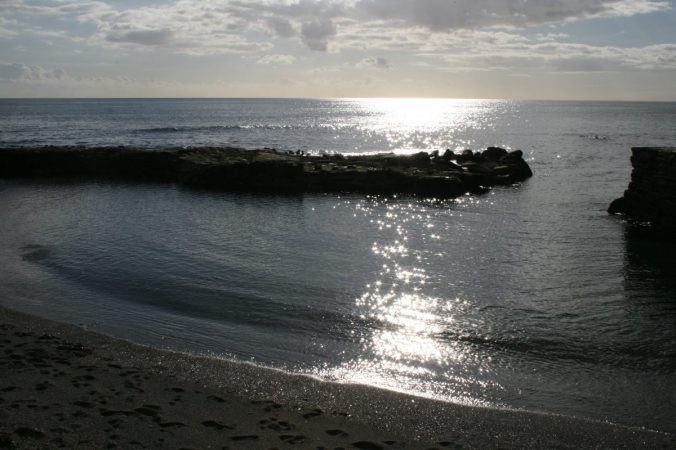
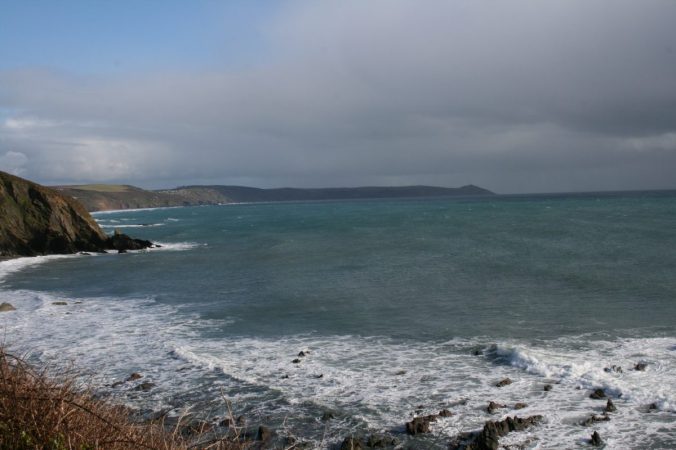
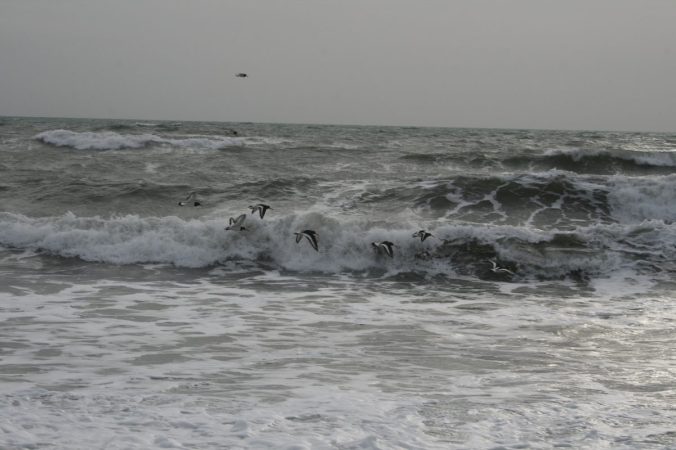
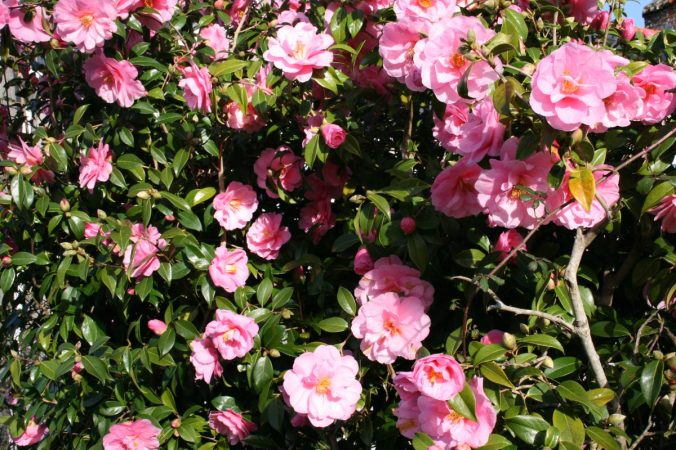
This picture, which I took on a beach walk on a rare fine autumnal day, was sent to her on the day of her stroke. It was one of the last things she saw. She replied with a witty comment, as ever, before nature took its course.

Time will move on and there is work to be done both on the book and in the garden when we can travel again. I will update you next month with plans for next year. In the meantime, have a safe and happy Christmas.    

Postcard from a Seaside Garden in October

The weather has changed. Since the autumnal solstice, the days are now much shorter and cooler. But we have had one more late summer day. The sun is now low in the sky, even at midday, and it only gives shallow light but there is still enough warmth to work in the garden. And there is much to do to get it ready for its winter’s rest.

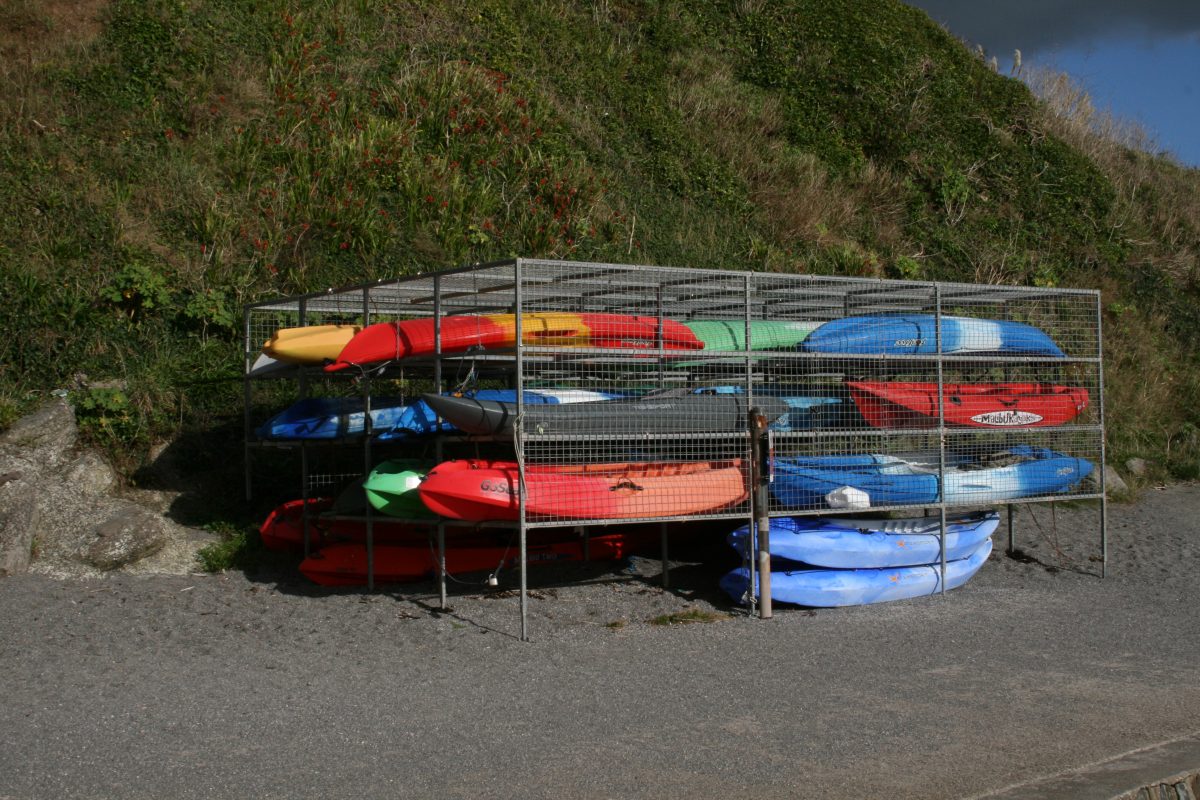
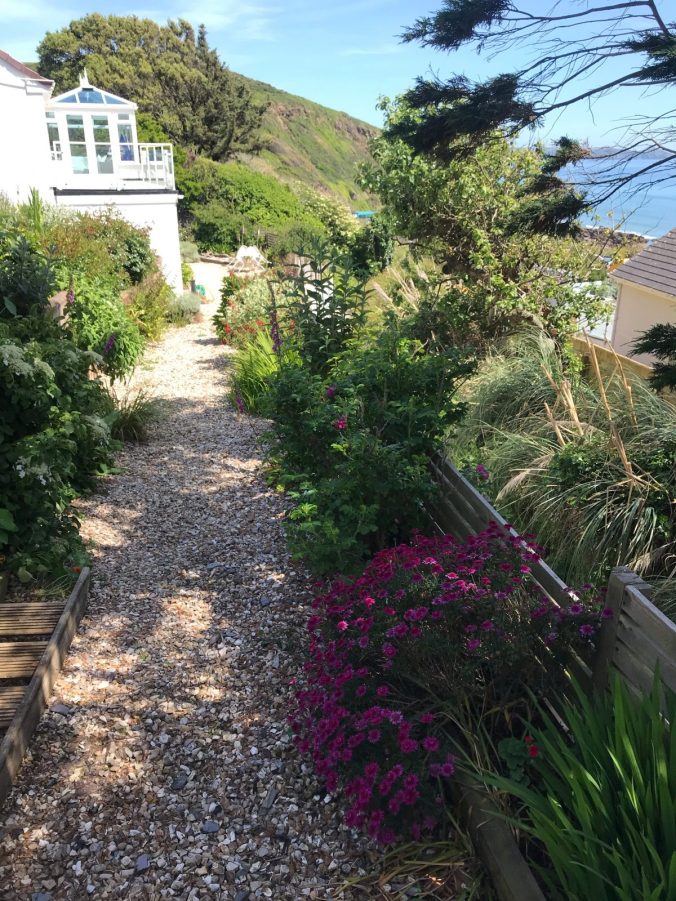
You can feel the energy ebbing away. The canoes have been stowed and the summer’s flourishing plants are enjoying their last light bath before they fade and die. The rich red sedums, begonias and geraniums give a pop of colour in the green landscape.

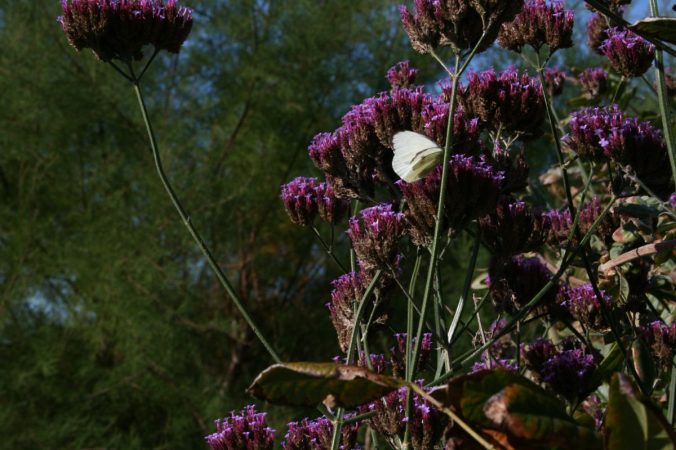
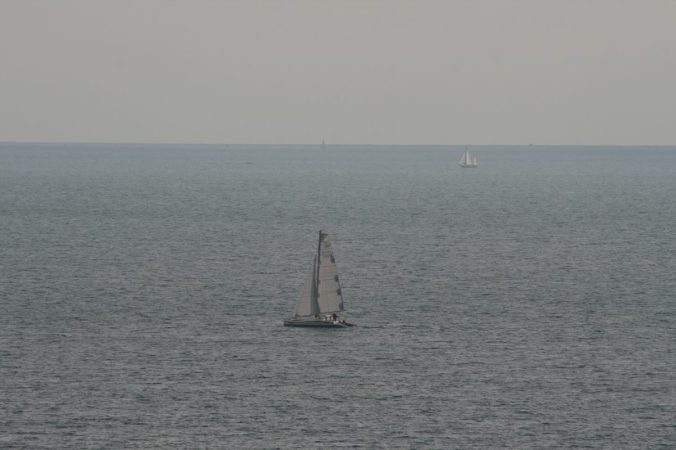
Despite the change, there is still some activity to report – the butterflies love the verbena, and the sailors are out enjoying the water. But for most of us, it is too cold to swim or sit out unless well wrapped up.

For me, I have my warm and bright writer’s lodge overlooking the sea where I can enjoy this late summer’s day. The garden has been too distracting, but I have made progress with my book and the winter months will see me break the back of the work so the manuscript will be ready to print next spring.

Come back next time for news of the book and the arrival of the first of the season’s Atlantic storms.

Postcard from a Seaside Garden in July

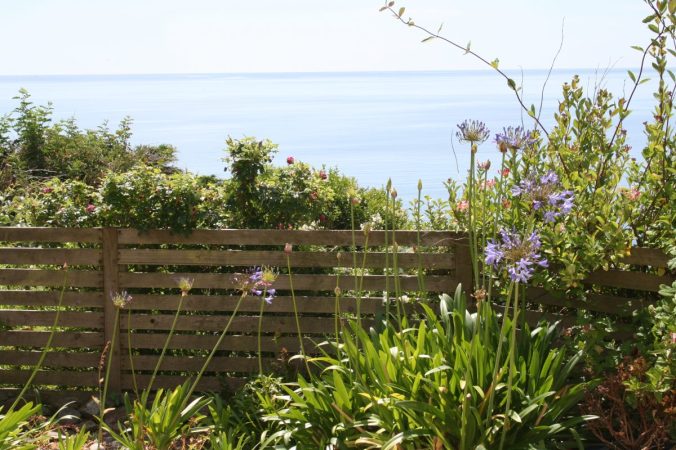
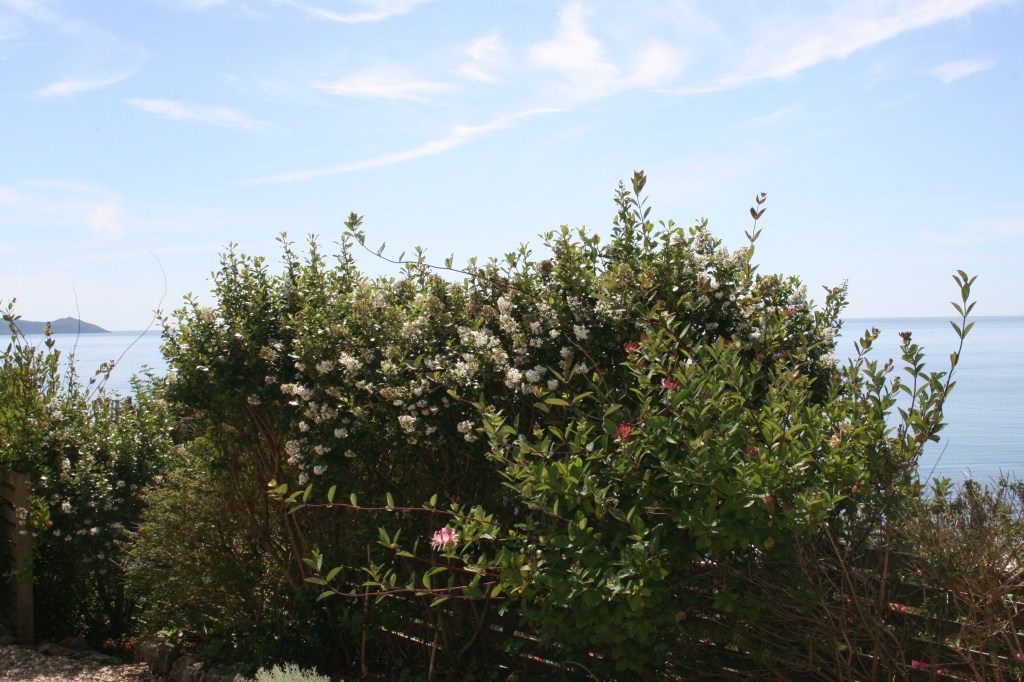
It’s so great to be back by the sea after four months locked-up in the city trying to stay out of the virus’s way. The sea is still here, bright blue and twinkling on a sunny day and the seaside garden is very lush. It must be all that winter rain and the mild conditions that have kept everything going these past few months.

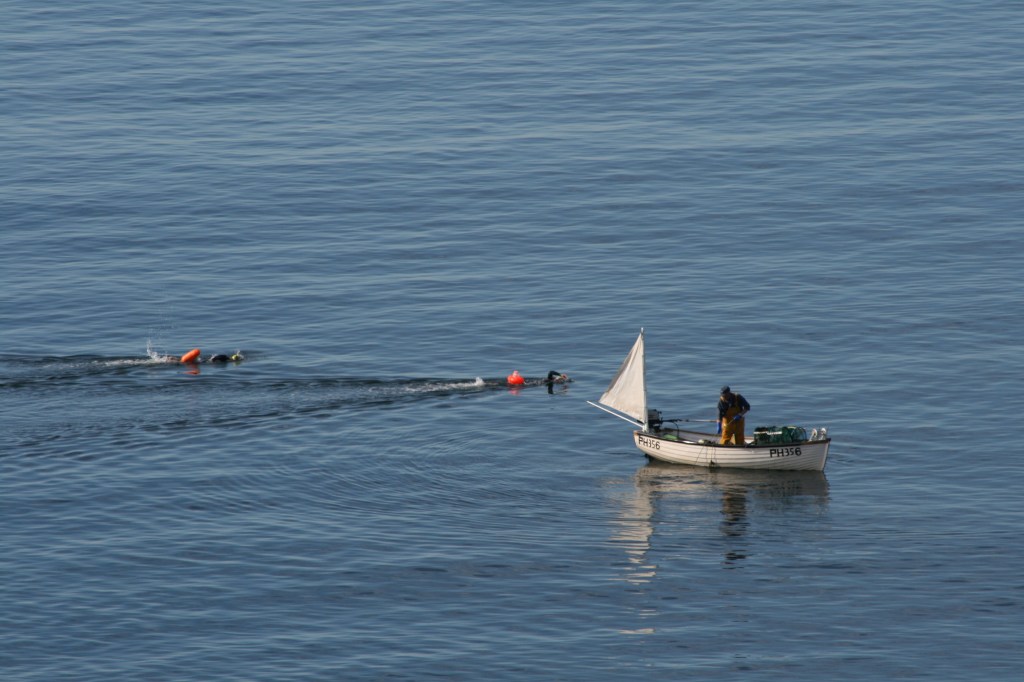
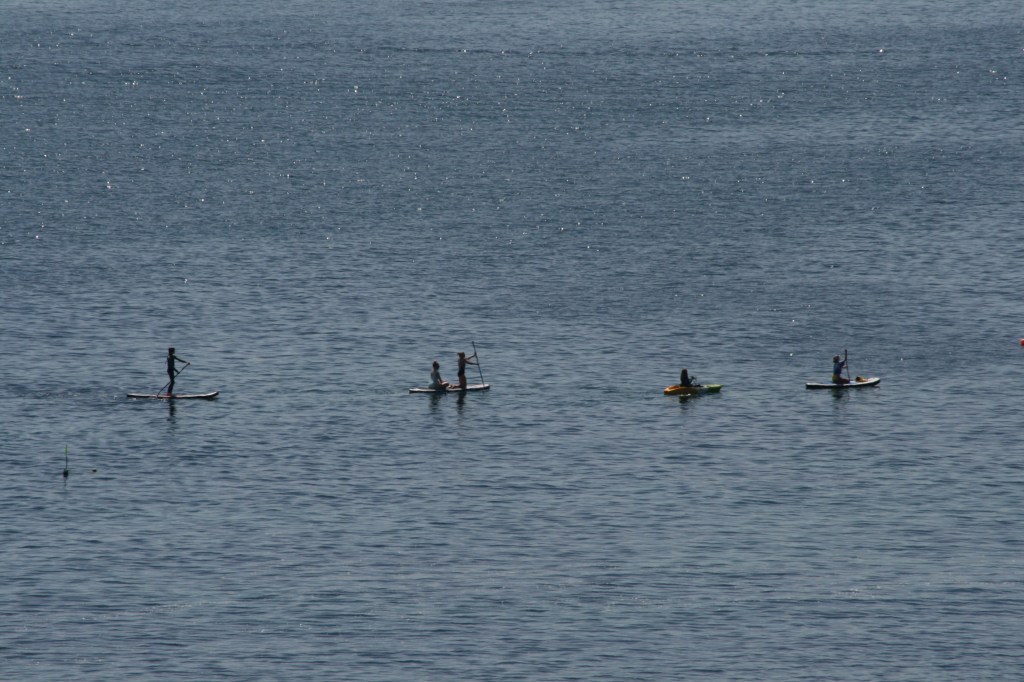
The seaside is very busy with our local lobster fisherman out laying his pots under the watchful eye of the village seagulls. We had some of his catch in the pub at the top of the cliff which has just reopened. There are wild swimmers about who were making their way past his boat to get to the old Tudor harbour. I’m not sure what the gulls thought of them with their bright orange floats. And another craze has arrived with flotilla paddle boarding and canoeing. It looks fun once you have got some sense of balance on the board! They seem to be oblivious of the jagged rocks and lobster pots beneath them.

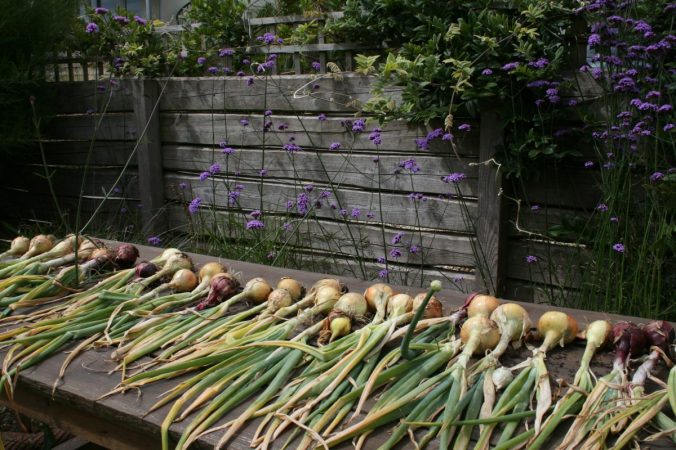
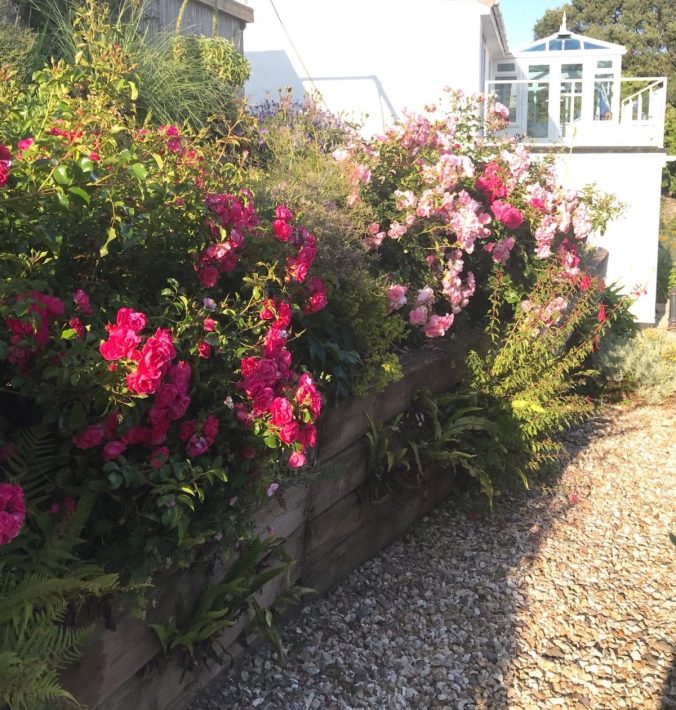
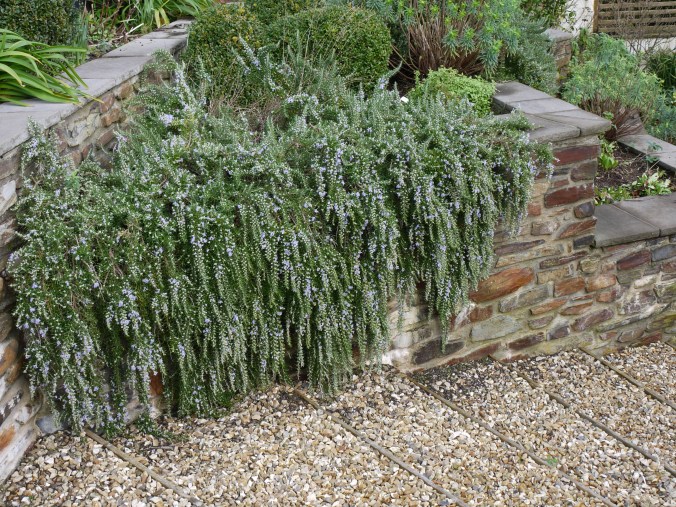
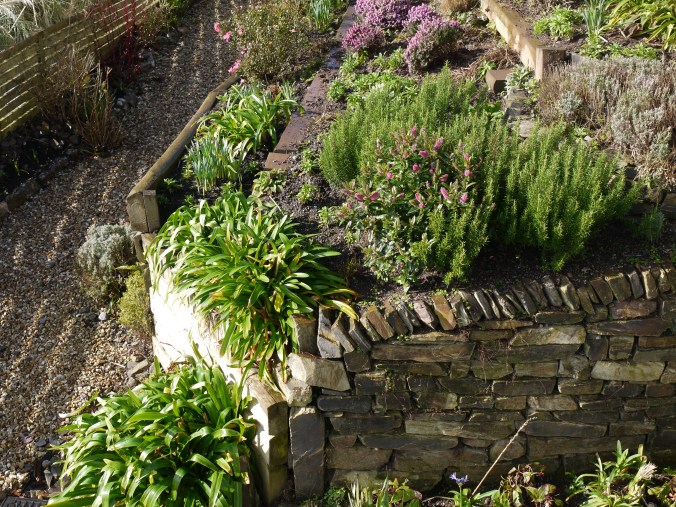
The garden needed a lot of weeding but we’re on top of it now, and the secret garden, the stone alley and terraces, including the rosemary waterfall, the roses, the wisteria and the verbena are all flourishing. We missed the clematises and fox gloves flowering but we’ll be ready for them next year. And the new chardonnay grapevines? They are trying. We missed the planting window for the ratatouille veggies but the onions and rhubarb have done well – the harvest has been rich with much soup and sauce making in train.

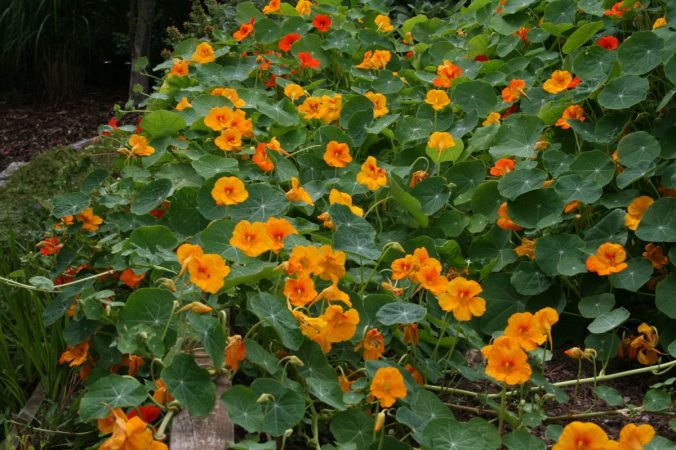
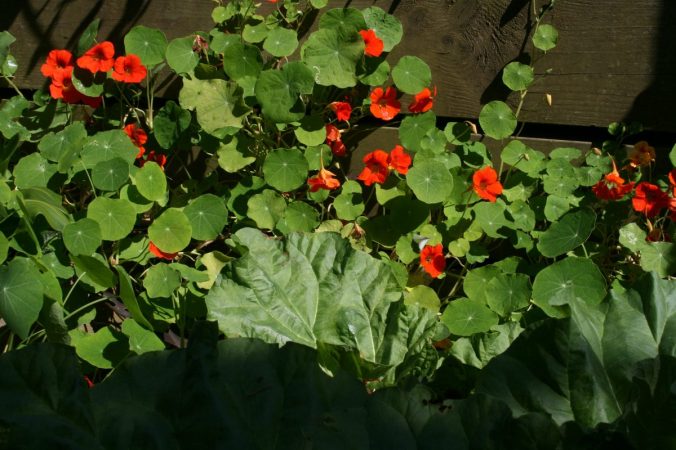
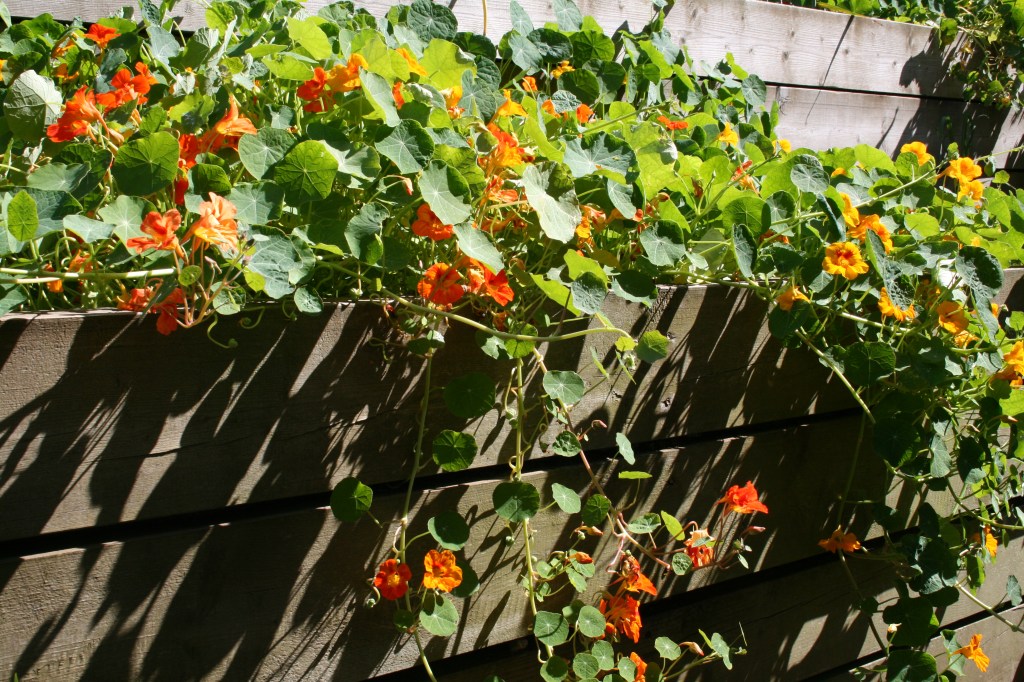
And let’s celebrate the splash of colour provided by the tumbling nasturtiums that have taken over the potato and runner bean patches. It’s a blaze of yellows and oranges.

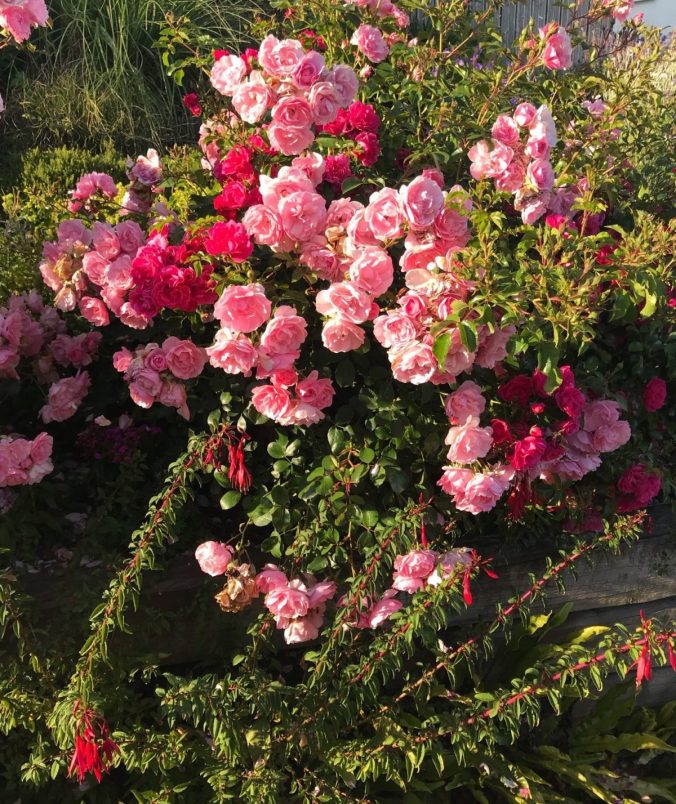
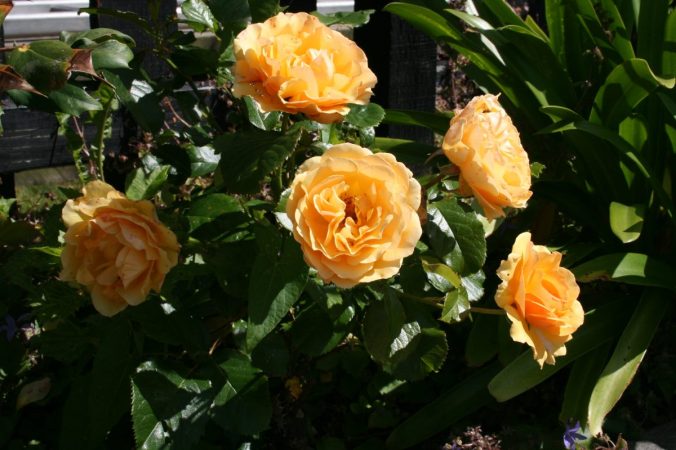
Flower of the month has to be this lovely apricot rose.

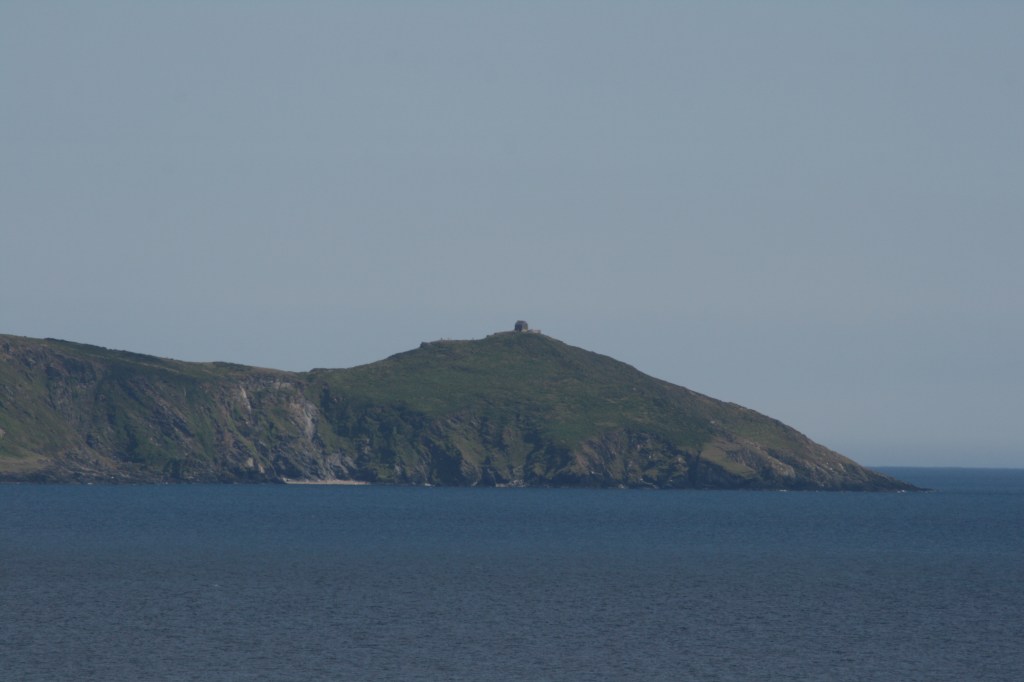
And the medieval hermit’s chapel out at the end of the peninsula watches over it all as it has done for hundreds of years.

If you’d like another Zen moment, click here for more and don’t forget to come back next time.

Postcard from a London Garden in June

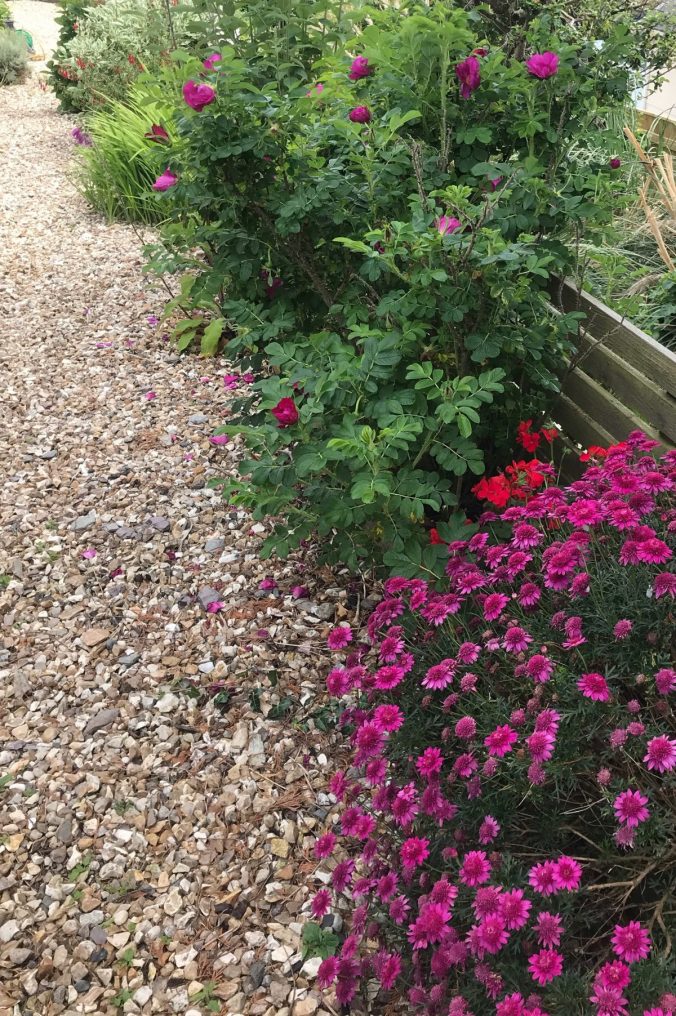
It is early summer now and unbelievably, the summer solstice, when the sun is at its highest in the northern hemisphere, has already passed on the 22nd of June. We are still locked in the city because of the virus and three months have gone by but the garden by the sea is thriving from pictures sent by our gardener. And it has gone pink-very pink!

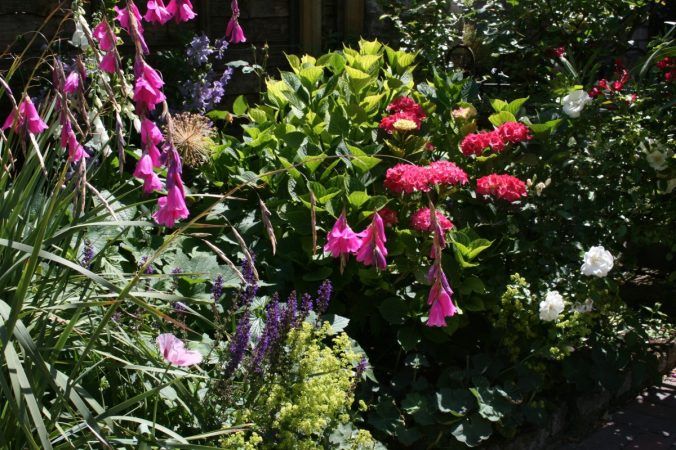
Meanwhile, in the Wimbledon garden, the lemon and blues that heralded the spring, and the bustle of the early white rambling roses, have given way to all shades of pink too. The star this month is the dierama – also called the angel’s fishing rods – bobbing in the breeze.

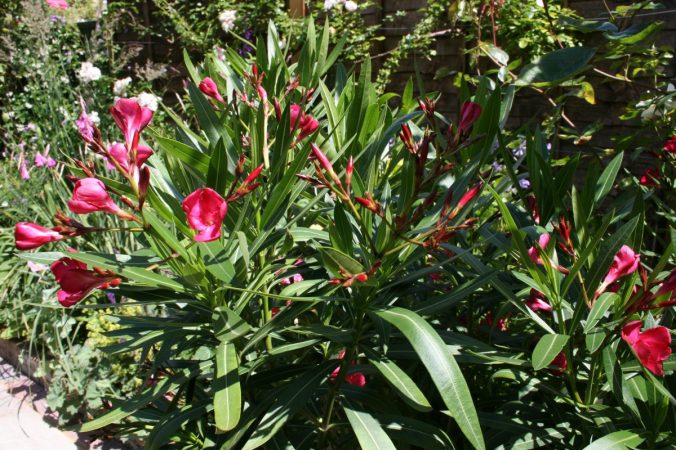
Not to be outdone, the pink oleander and hydrangea are bursting into life.

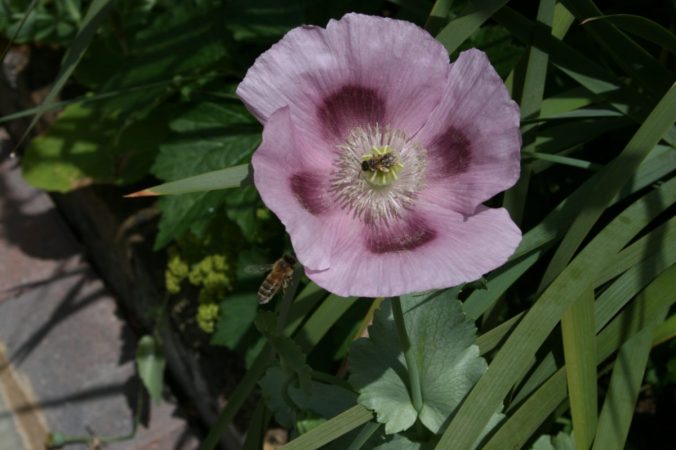
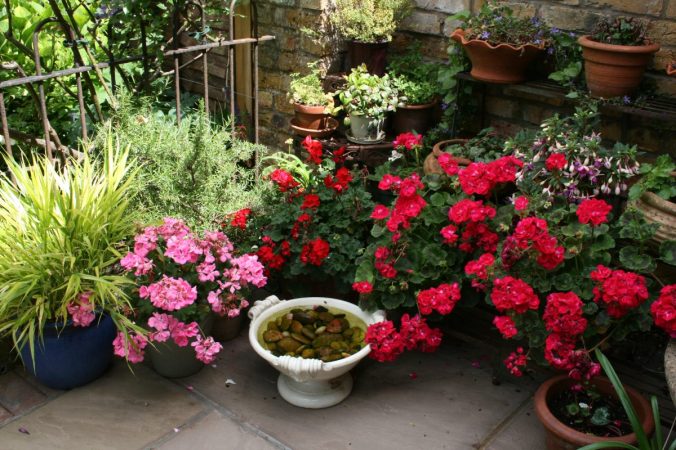
And the etagere’s vivid geraniums make a lovely back drop for the bird bath while the bees like the fragile pale pink poppy.

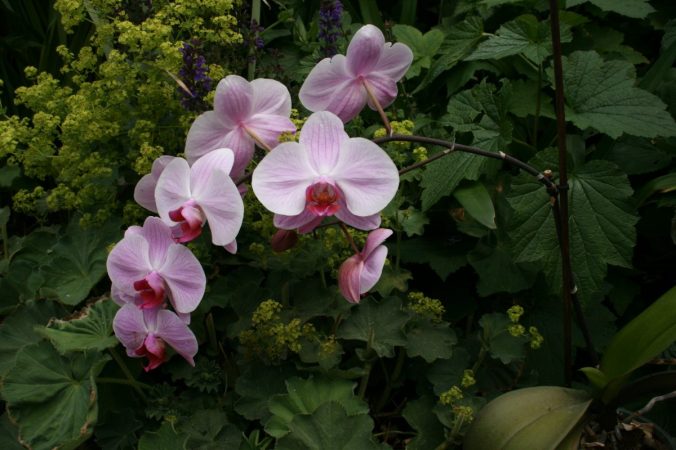
Finally, the old reliable pretty orchid is in full flower again.

If you need a zen moment, click here for more, and come back next time for a catch up, at last, on the garden by the sea.

Postcard from a London Garden in May

The virus is still here so we have been locked up for another month in the city. But the seaside garden is doing fine judging from the lovely pictures of it sent by our gardener who has been working hard to keep everything in order. It has so benefitted from nearly four months of continuous rain and the recent heatwave. The plants are absolutely flourishing under these conditions despite the salt blasting during the many winter storms.

The same weather has forced the early development of many plants in our city garden. It was originally part of Earl Spencer’s south west London estate in the 18th and 19th century when he planted an apple and pear orchard. Although those days are long gone, many of the gardens in this part of London have fruit trees as part of his legacy.

Our apple and pear trees always herald spring’s arrival with their prolific beautiful blossoms. Sadly, the show only lasts about a week or so when the winds arrive to clear them away. You can really understand the joy and sorrow the Japanese feel when they celebrate the spring blossom season.

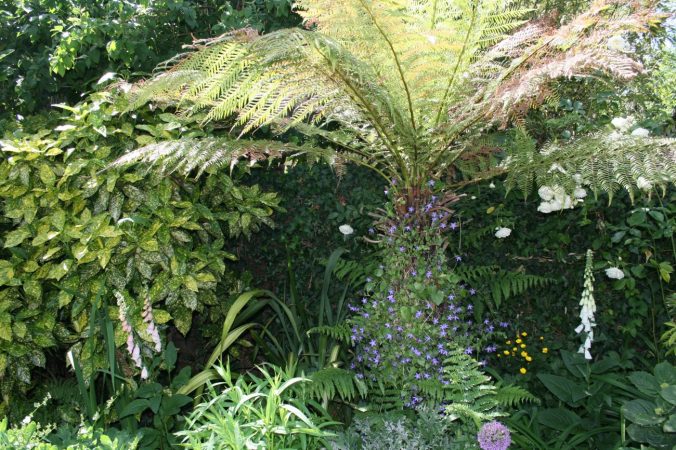
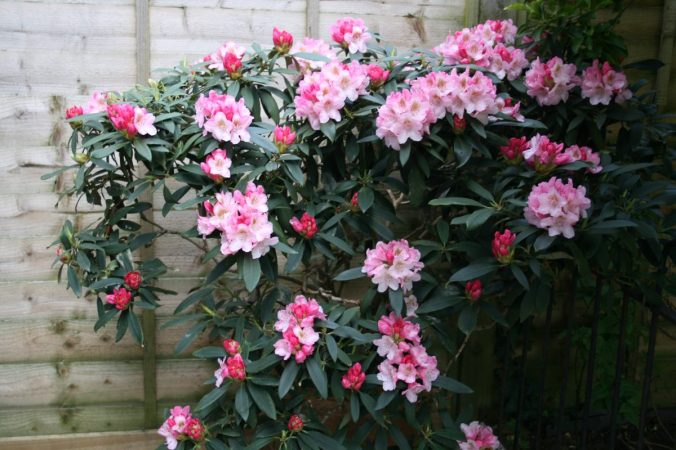
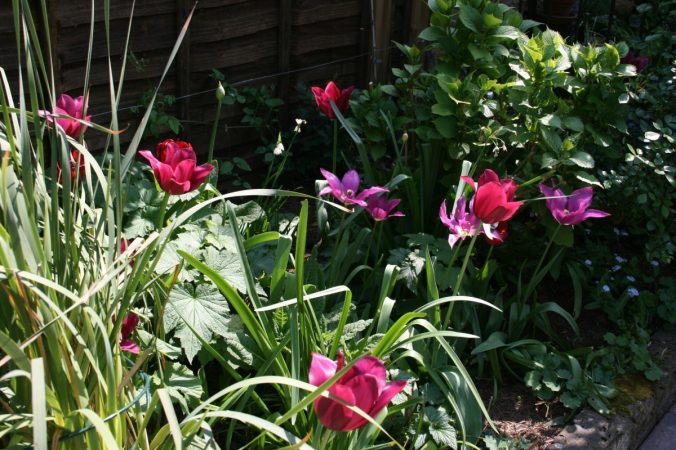
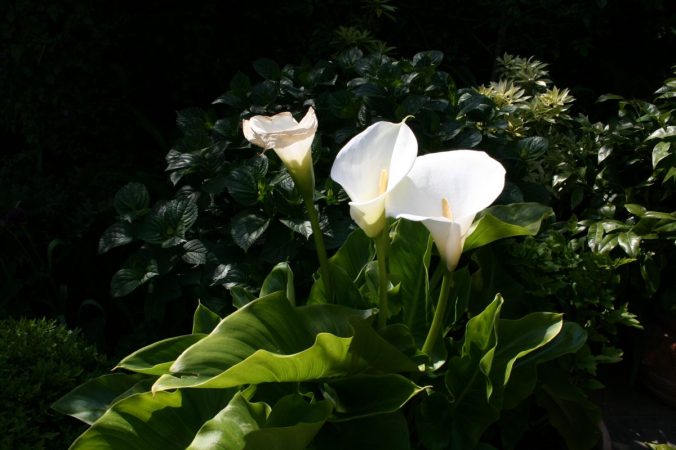
But there is always more and the rhododendron, tulips, arum lilly and alliums are up next. They have been longer-lasting and no less beautiful. And this is the time when the tree fern and cannas are unwrapped from their winter covers to feel the sun once more.

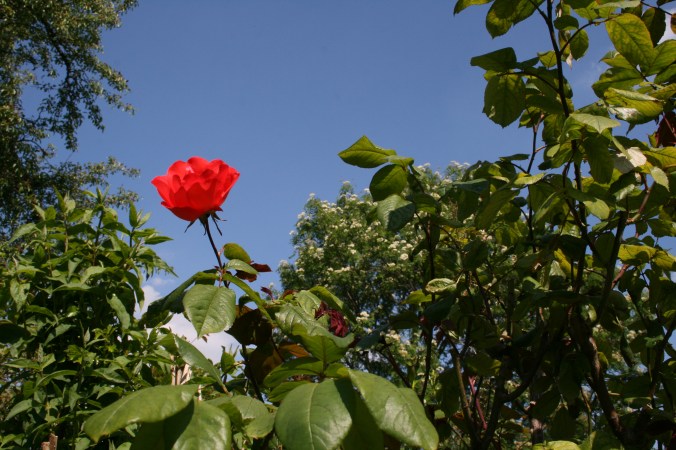
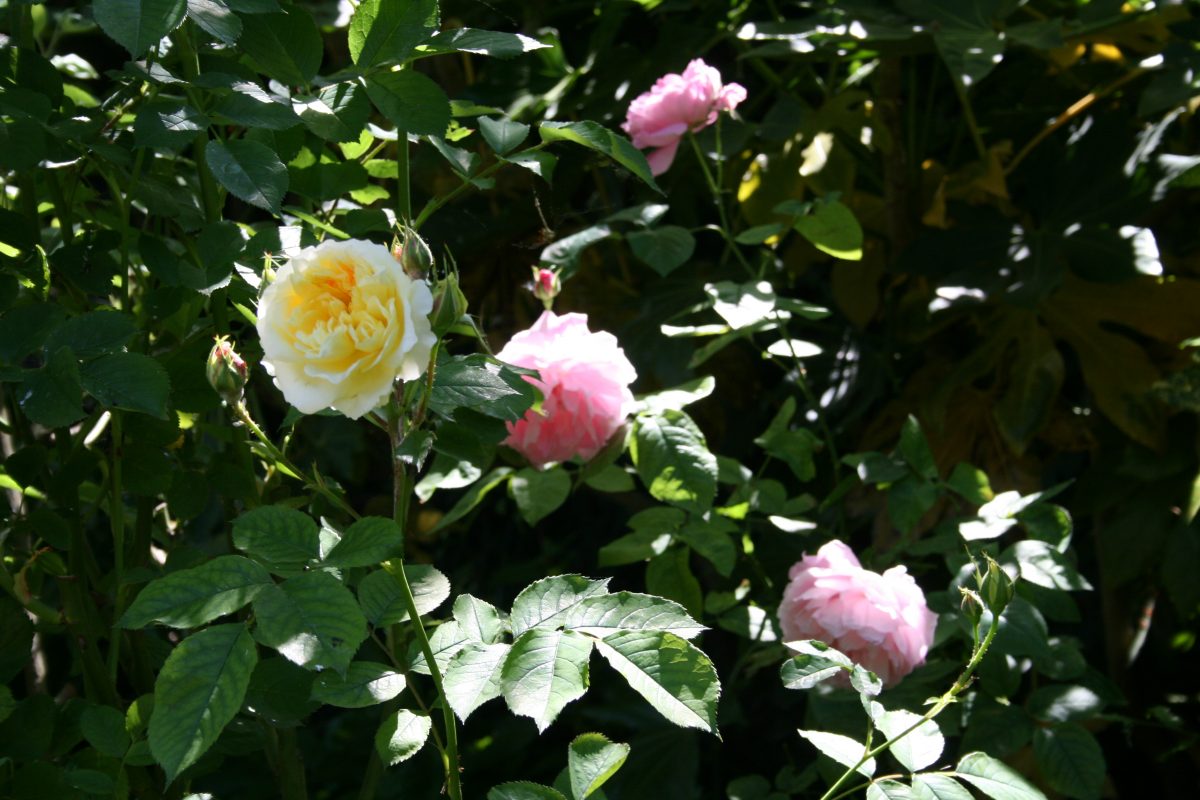
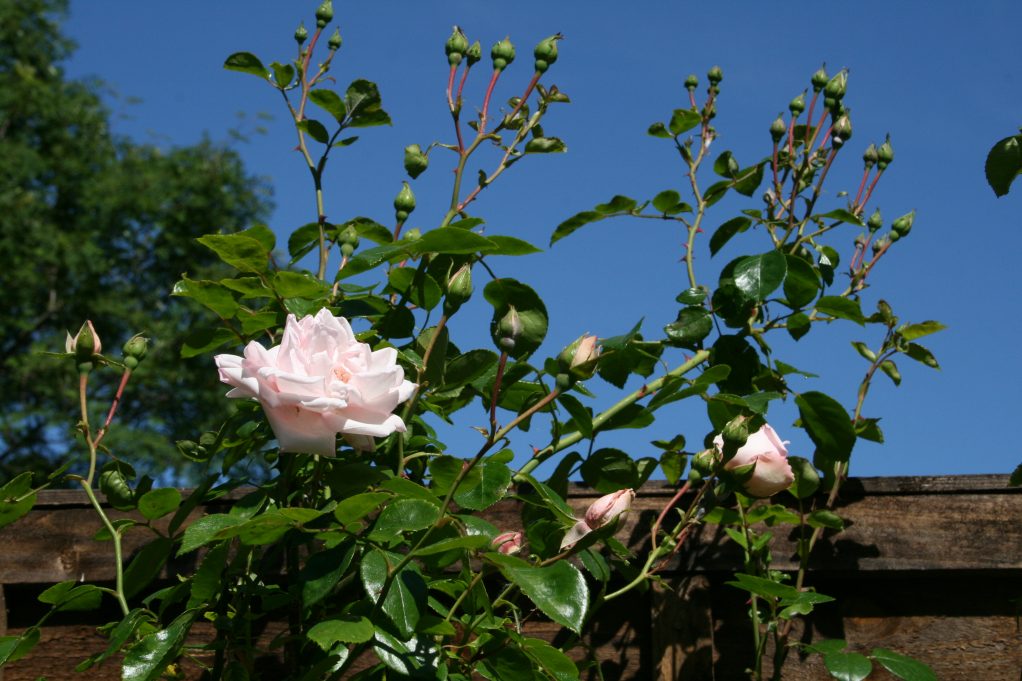
The growing conditions have been just right for the next wave, the big scene stealer – the roses. Roses are tough and they do well in city gardens. From mid-May, the stage is set for the summer and autumn months filled with their contrasting shapes and colours. Wave after wave, and in the evenings the garden is filled with their fragrances. Bursting with buds and new growth everywhere, May is an exciting time in the city garden.

The birds love this garden too. There are thrushes, a pair of blackbirds, many LBJs-little brown jobs- and blue tits, and watching over them all is King Robin-a very possessive territorial bird with a beautiful song. From time to time, a pair of jays and a woodpecker visit to eat and drink in the garden, and each evening flocks of starlings and parakeets fly over as they return to their roosts in the park nearby.

A charming squirrel family lives high up in the pear tree from where they mount their raids on the bird food, avoiding the suburban foxes that patrol the place in their oh-so-nonchalant way. You have to admire their cheek.

Memories of Spanish Gardens and the Guadalquivir

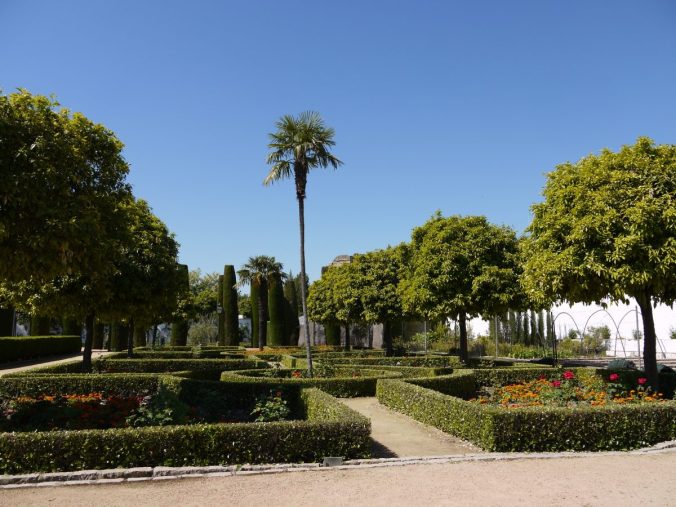
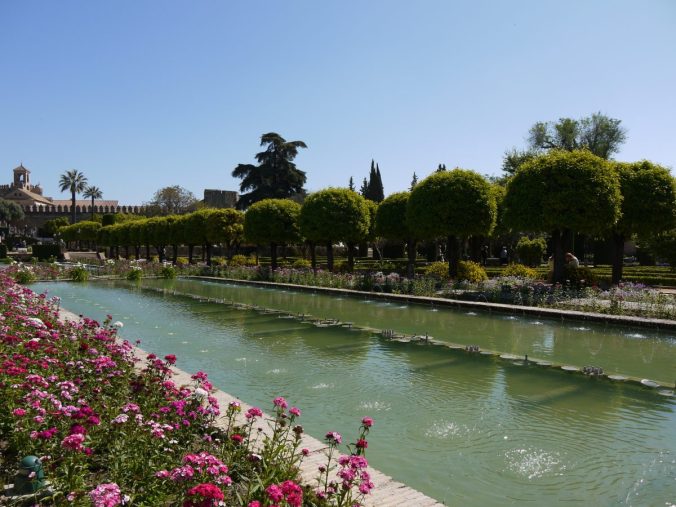
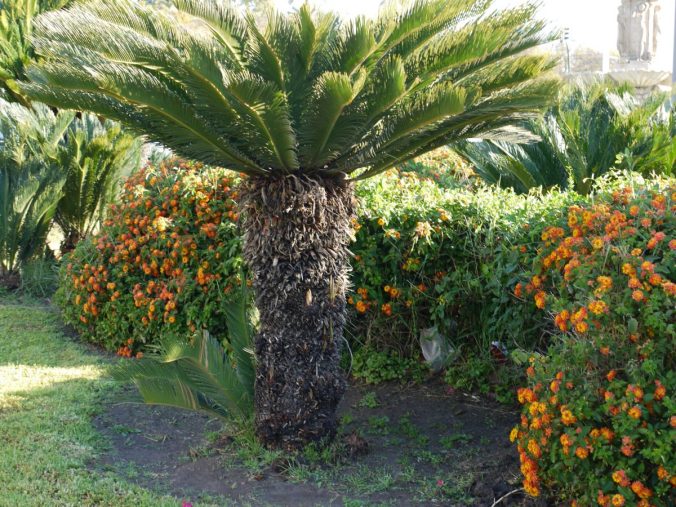
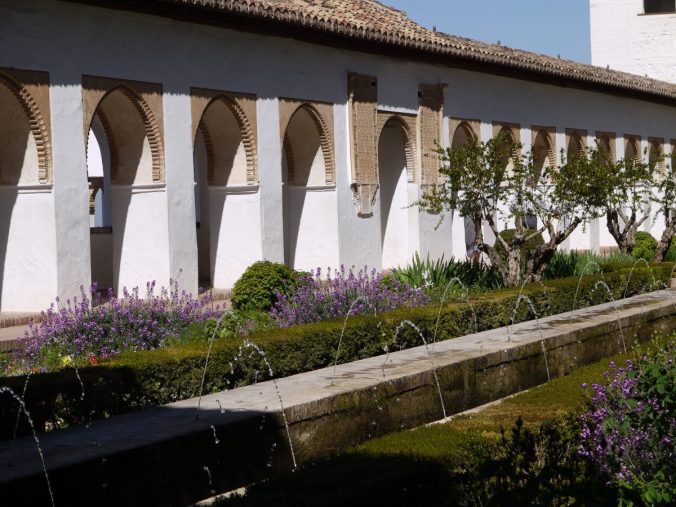
The virus means no one can travel, not even to the lovely seaside garden in Cornwall, so this month, while on lock-down, let’s reflect on a few memories made last April in southern Spain while sailing along the Guadalquivir from Seville to the Atlantic Ocean.

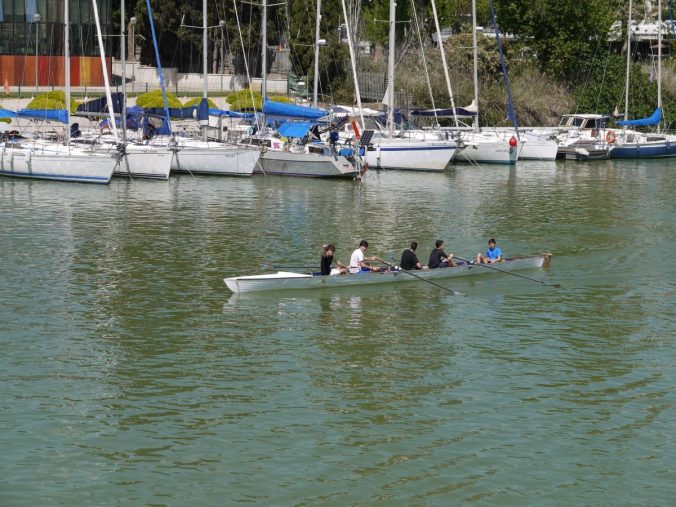
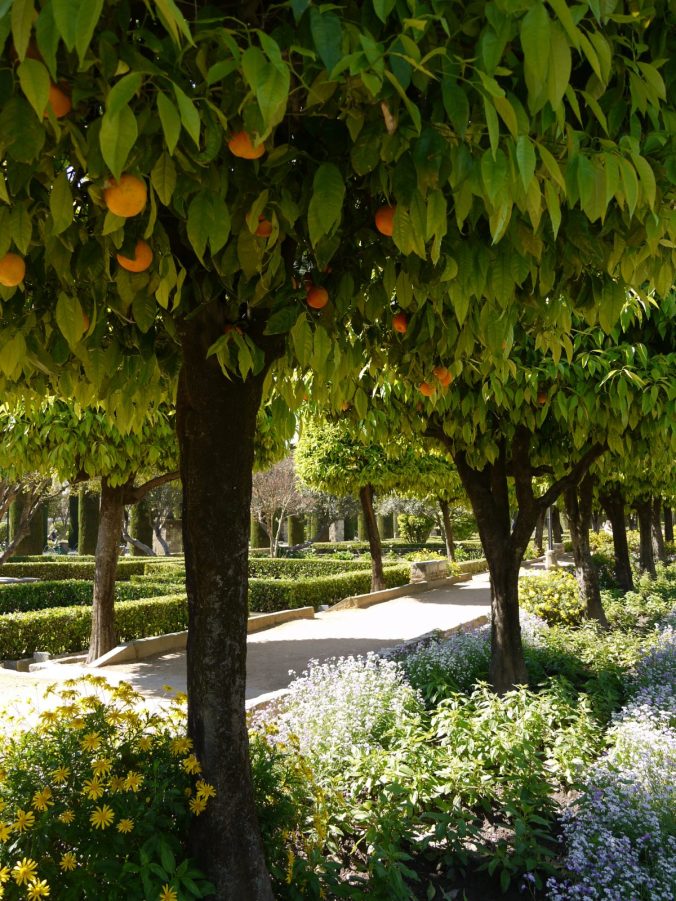
Andalucia is hot even at Easter, but in 2019 there was a heatwave so how the gardens survived in those conditions is a tribute to the Spanish gardeners. In Seville, there is much activity on the water in this busy urban part of the river from rowing and sailing to windsurfing.

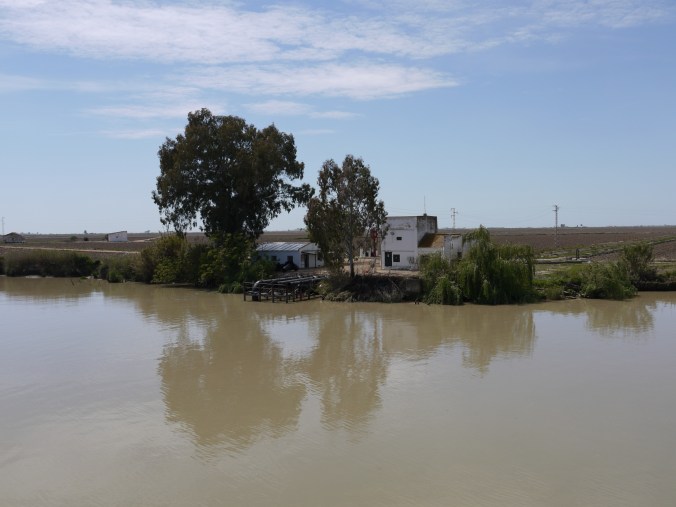
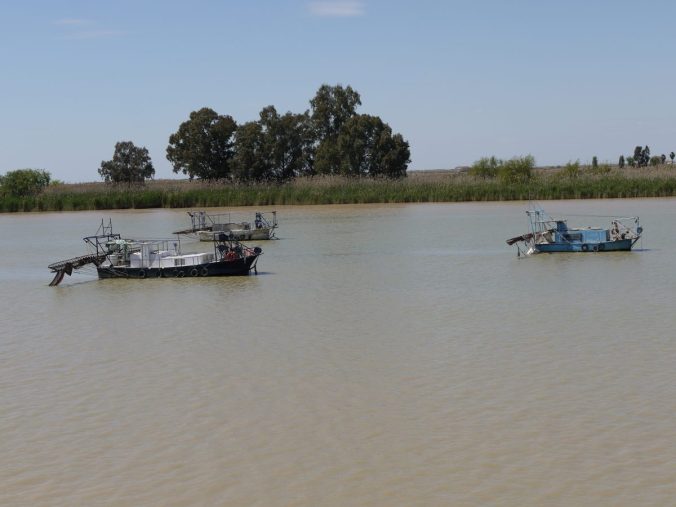
But downstream, it’s also a working river with oyster dredgers and local processing – much of it unchanged since the 19th century. Sailing through the flat lands of the Parc Nationale is slow and the sky is big – a good setting for the film La Isla Minima – a murder mystery set in these parts. Then you meet the big swells of the Atlantic to sail south to Cadiz and Cape Trafalgar.

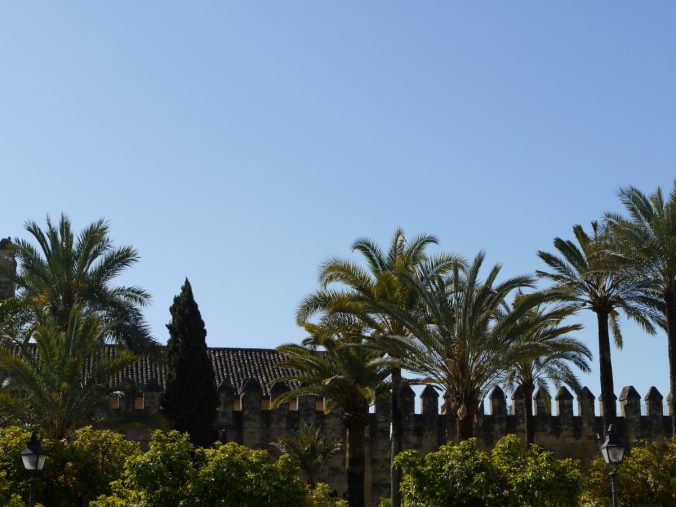
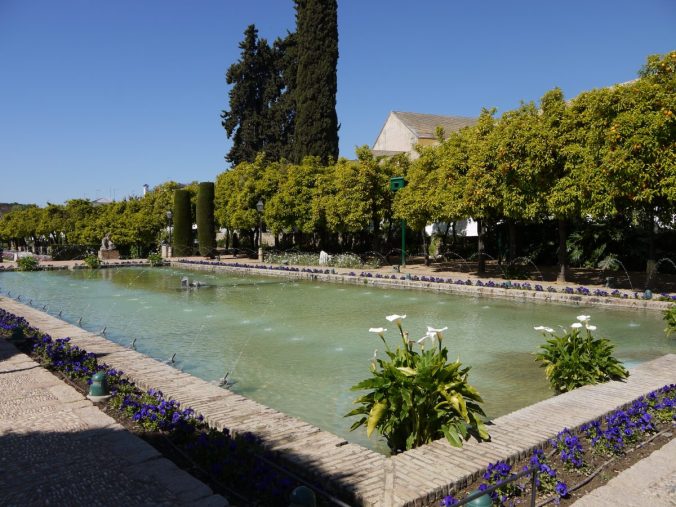
Southern Spain is blessed with a strong Moorish influence in its royal gardens including King Alfonso’s Alcazar at Cordoba and the Emir of Granada’s Alhambra. Both show the successful harmonisation of using symmetry and formal waterways, and sculptural and exotic trees to give that typical Moorish look.

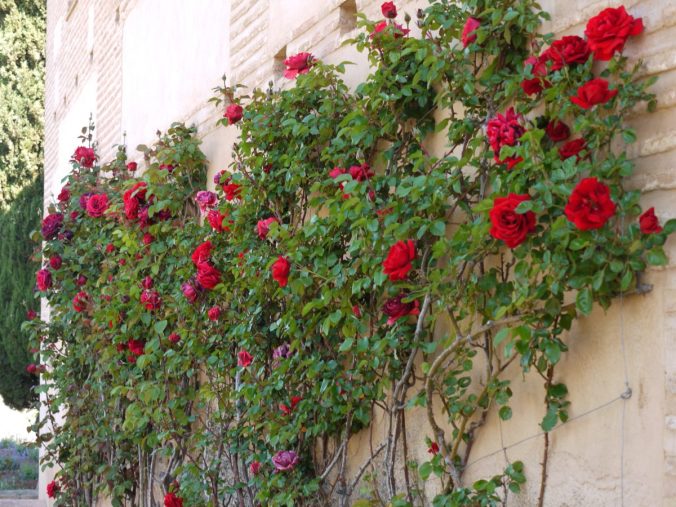
But there is more. The walls of castles and town houses become backdrops for bold red blooms. And of course, there is the magnificence of bougainvillea.

If you need a Zen moment and want to see a little more, click on the picture below and catch up on April in Southern Spain 2019.

Postcard from a Seaside Garden in March

The March south westerly winds have been fierce but as fast as they blow the storm clouds in, they blow them out, and the sun breaks through.

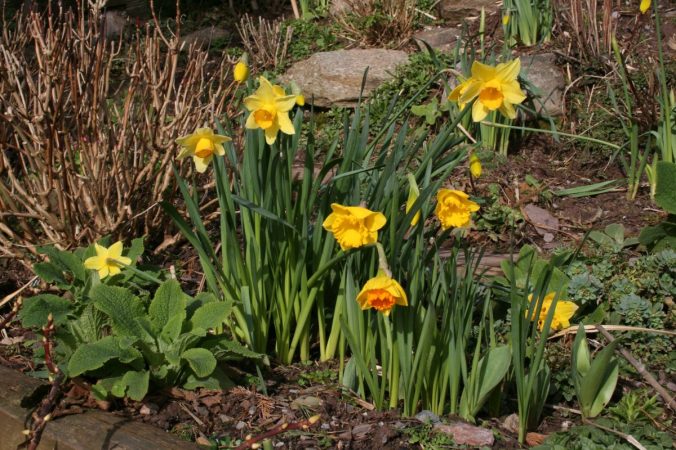
It’s getting warmer and the days are getting longer, especially as we have just changed to British Summer Time. The plants, so long asleep over the winter, are starting to sprout everywhere. And we still have the daffodils with their bright yellow pops of colour to herald the spring.

We’re still waiting for the secret garden to burst into colour …

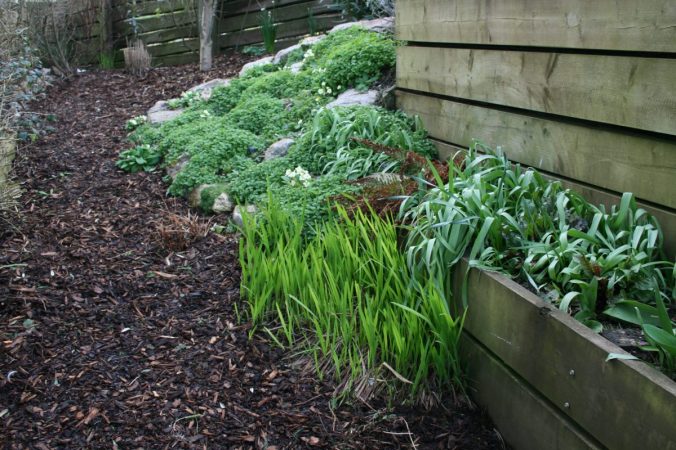
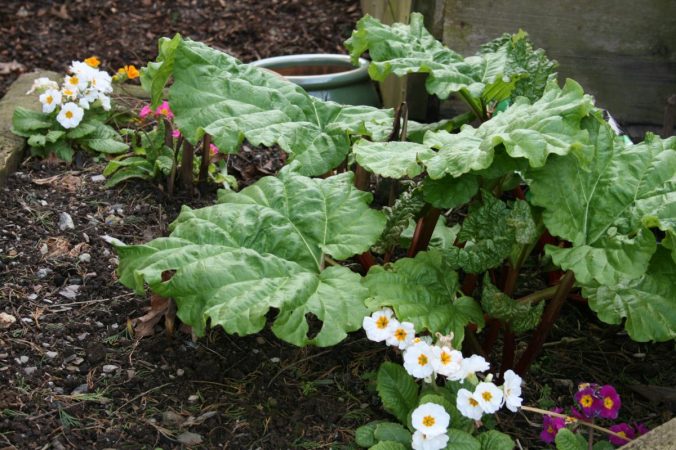
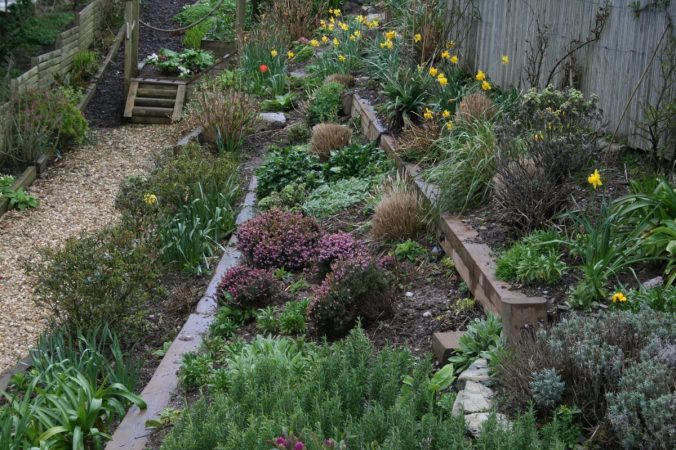
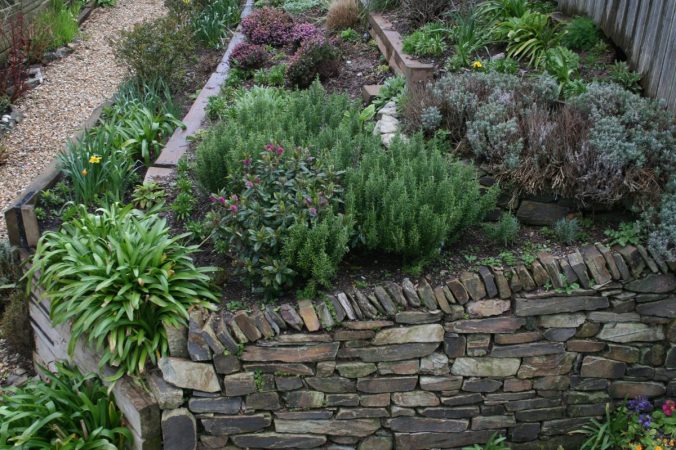
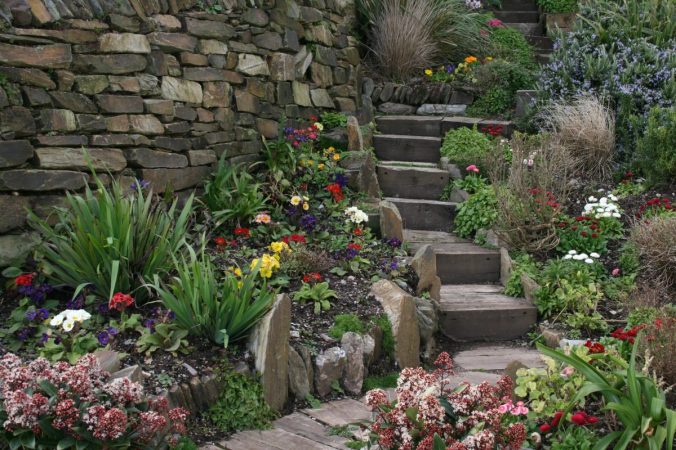
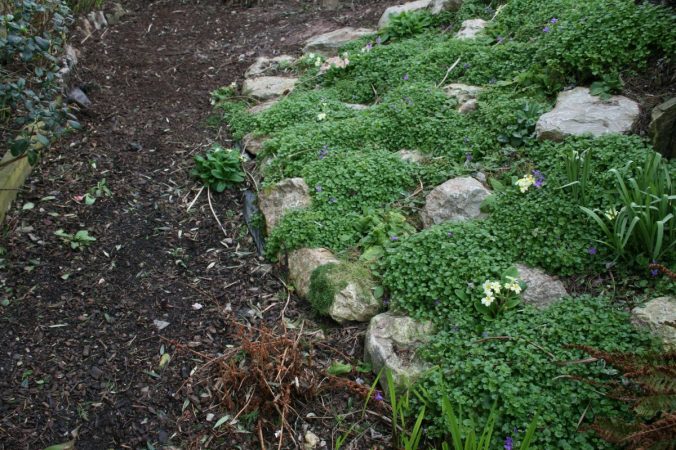
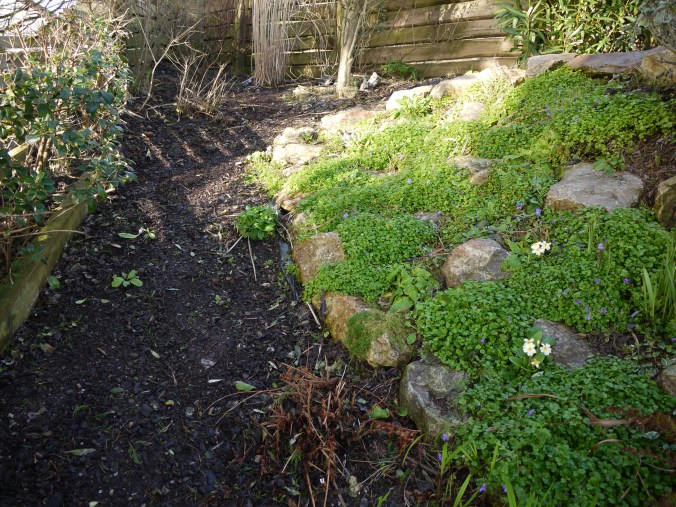
… but “lavender hill” is doing just fine with its primroses making the winding steps and dry stone wall this month’s feature.

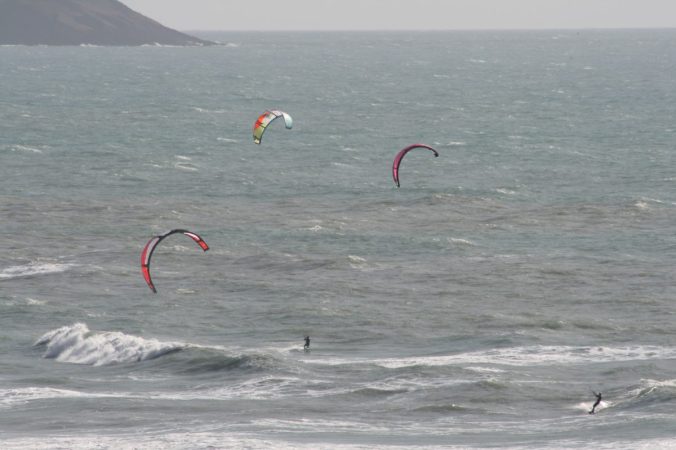
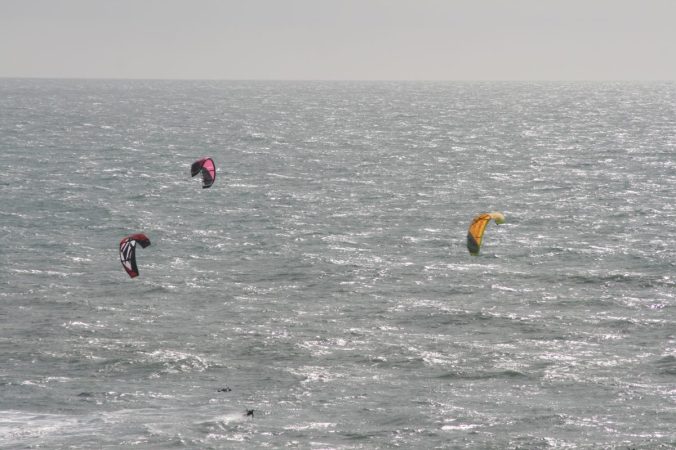
The weak spring sun has brought strange visitors too – the wind surfers’ kites look like fabulous exotic birds flying in the bay.

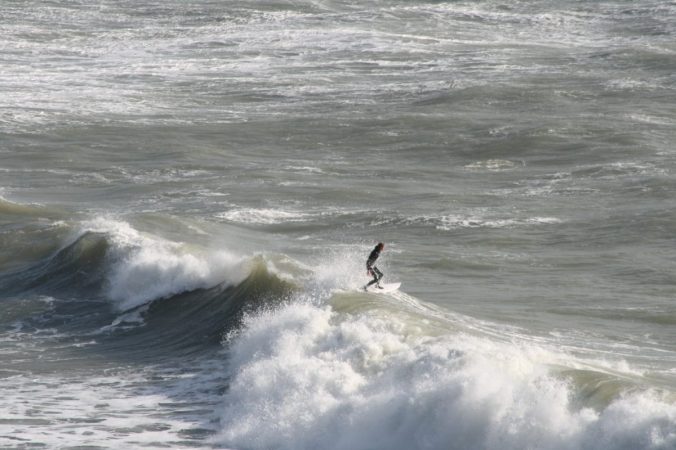
Not to be outdone, the surfers are riding the waves when they can find them, despite the cold- the water is less than 10 degrees at this time of year.

Since these pictures were taken, the virus has arrived in our village and our world, like your’s, has been turned upside down. Nothing is stirring at the moment as we are “locked-down”, but it will pass. And the spring will arrive when it will be back to work in the garden to bring on all the new plants.

If you need a Zen moment and want to see a little more, click on the picture below and catch up on March in the Seaside Garden.

Postcard from a Seaside Garden in February

Storm season is upon us, and it’s fierce this year. We’ve had storms Ciara and Dennis which have caused widespread wind and flood damage across the country. Born in the north Atlantic, they intensified as they rode on the back of the high westerly winds known as the jet stream, and then slammed into our land mass with great force.

With the winds barrelling in at 75-80 mph, there is coastal flooding, storm debris and damage everywhere. But the oystercatchers are out and about!

They say you can have four seasons in a day on our part of the coast but at the moment, we’ve got the lot hour by hour. Wind, hail, rain and sunshine! On the plus side, it’s been very mild – no frosts yet.

As a result, the garden has already sprung into action and we still have four weeks to go before the clocks change to Summer Time.

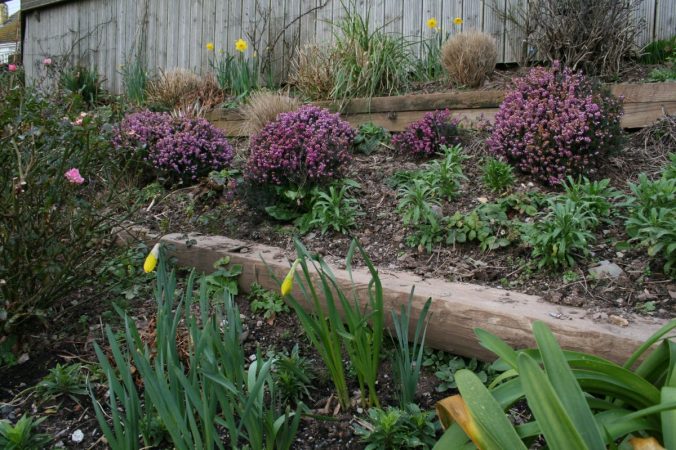
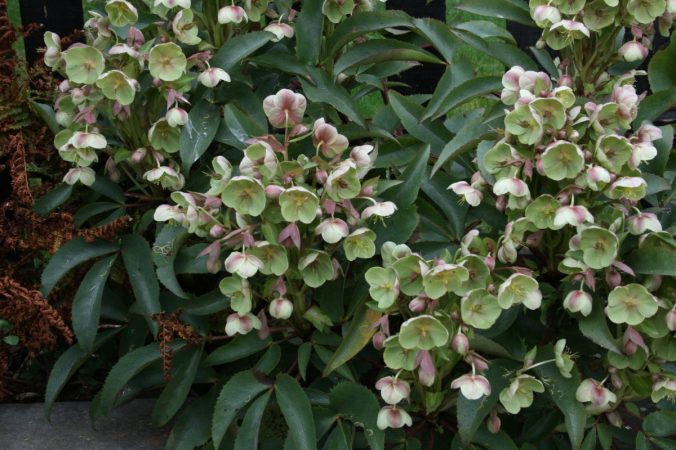
Camelias, heathers and hellebores are on show at the moment, and pale lemon primroses are starting to show their heads in Campanula Corner. And the daffodils have arrived in force just in time for St. David’s Day.

On some days, between storms, shafts of bright sunshine flood the secret garden so we can sit out and enjoy a few rays of the sun’s warmth with our afternoon tea.

On others, the rolling fogs obliterate the horizon and cast a damp gloomy blanket over everything. Like nature, life has its familiar cycle. We’ve had our Valentine’s chocolates and celebration meals, and our Shrove Tuesday pancakes. Now it’s Lent and all is spare. But the spring is coming…..

If you need a zen moment and want to see a little more, click on the picture below and catch up on February in the seaside garden.

Postcard from a Seaside Garden in January

It’s still raining. Sunny days are few now as the winter progresses. We’ve had storm after storm rolling in from the Atlantic on fierce south westerly winds. On some days, the rain comes in as near horizontal sheets accompanied by hailstones that prick your face.

Sometimes, the combination of gale force winds and the hail-laden rains make it difficult to even stand up.

And you know the temperature is dropping, especially at night, when the local news announces which roads at the top of the cliff will be gritted. Down here by the sea, it’s 1-2° warmer so, despite the inclement weather, we already have many green shoots. First up are the daffodils; they are coming thick and fast ‒ about six weeks ahead of the cliff top gardens.

Their bright yellow heads offer welcome pops of colour and cheer you up in the stygeon gloom of winter.

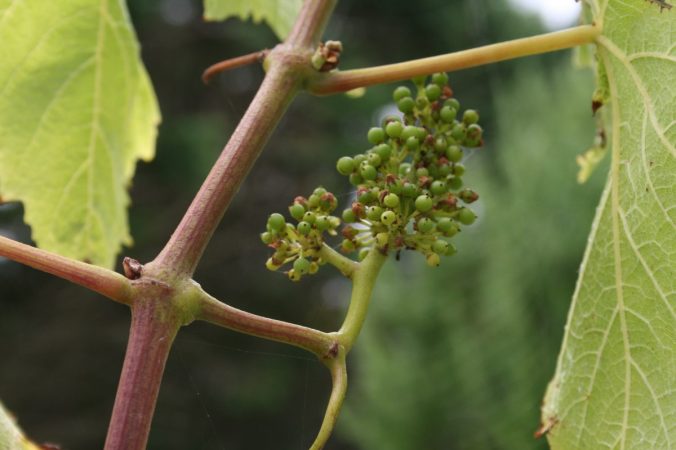
Gardeners have to go out in all weathers to get the spring planting done. This year, we are planting chardonnay grape vines. They look like twigs now but I’ve been promised that my south facing terraces will be covered in vines later this year. Maybe they will be good enough to make some Chablis wine!

And there is further promise of good things to come. The wisteria and clematises look so desolate, but if you look carefully, you can see there are shoots everywhere.

And campanula corner, the fountains of trailing rosemary and the front terraces by the stone river are a show, even in the depth of winter.

It’s a good time to be indoors, especially as it’s the Chinese New year ‒ Welcome to the Year of the Rat.

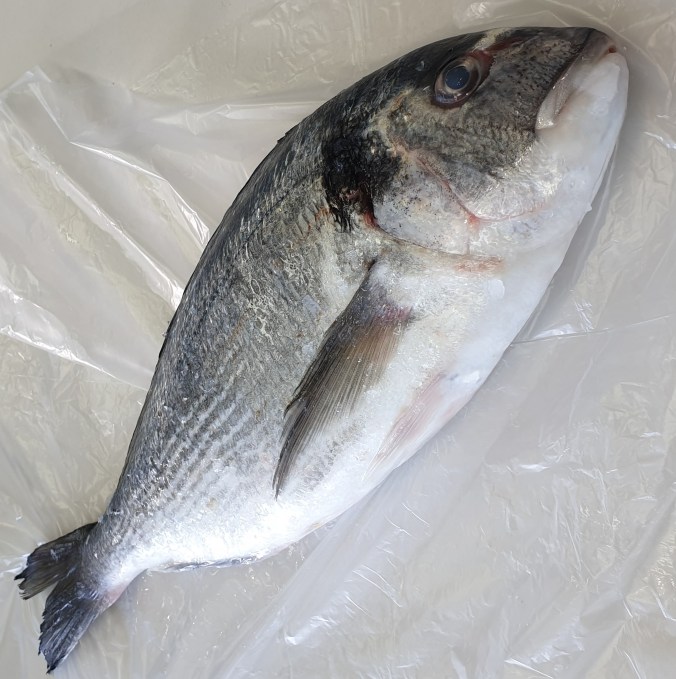
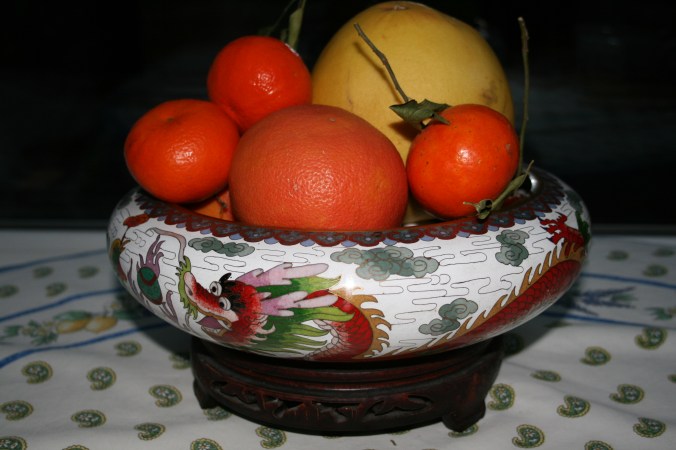
Last month, we honoured my Scottish ancestors by eating Tunnocks cakes and biscuits to welcome the New Year. This month, in honour of my Chinese ancestors, we are having the traditional celebration supper of fish, special dumplings, and lots of citrus fruits.

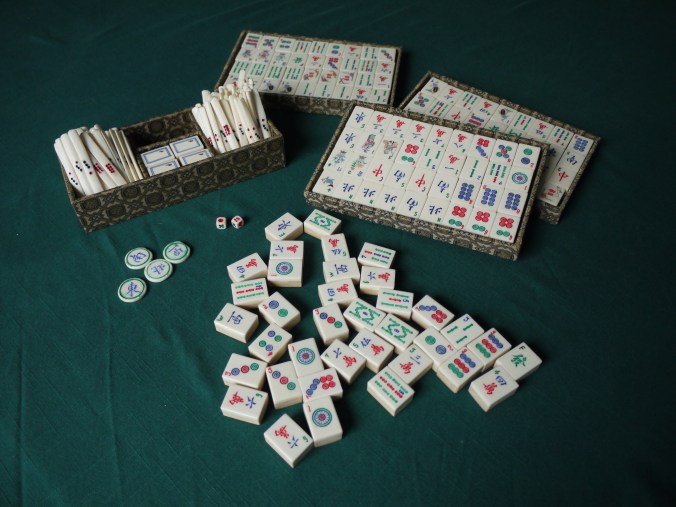
And, to while away the long dark nights, we will play majong and sip tea. Happy New Year ‒ Nián nián yǒu yú.

If you need a Zen moment and want to see a little more, click on the picture below to catch up on January in the Seaside Garden.

New Year Greetings

Memories are all that are left now of Christmas just past, and today is the feast of Epiphany, 12th night, when all the decorations must be taken down. It is the end of our festivities.

Forget eating the traditional Epiphany “Galette de Rois,” we have two Tunnock’s tea cakes left to celebrate and then that’s it until next Christmas.
If you’ve just had your first day back at work and you need a moment of zen, click on December’s postcard or this link for a final look at Christmas past.